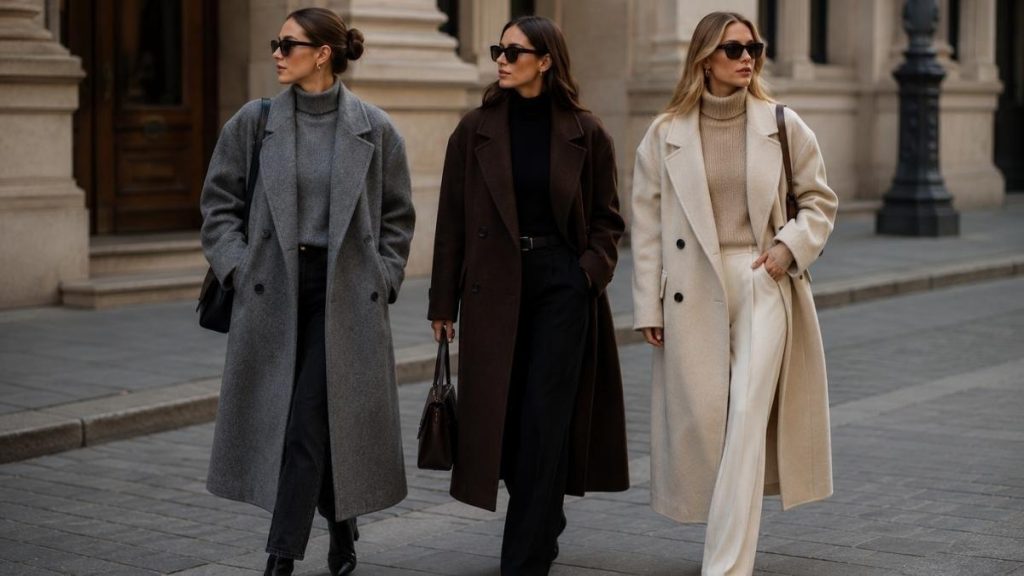

I always find that the start of a colder season is the best time to look at your wardrobe with fresh eyes. The days are shorter, the knitwear is coming out of storage, and you can see quite clearly what you reach for and what just sits there.
That is really what a capsule wardrobe is about. It does not mean owning as little as possible. It means choosing clothes that work well together and suit the way you actually live, so that getting dressed takes less thought. This autumn and winter, the goal is a wardrobe that feels like you: versatile, comfortable and quietly polished.
1. Start With How You Actually Dress
Before you buy anything, think honestly about your week. What do you wear most often? Where do you go? Which pieces do you keep coming back to?
Then look at what is missing. Maybe you have plenty of weekend clothes but little for the office, or a few statement pieces with nothing simple to wear them with. A few questions can help:
- Which silhouettes make you feel most comfortable and confident?
- Do you lean towards understated neutrals or richer seasonal colours?
- Which pieces do you wear on repeat?
- What would make the clothes you already own work harder?
Your answers will point you towards a wardrobe built around your own life, not just this season’s trends.
2. Pick a Colour Palette and Stay With It
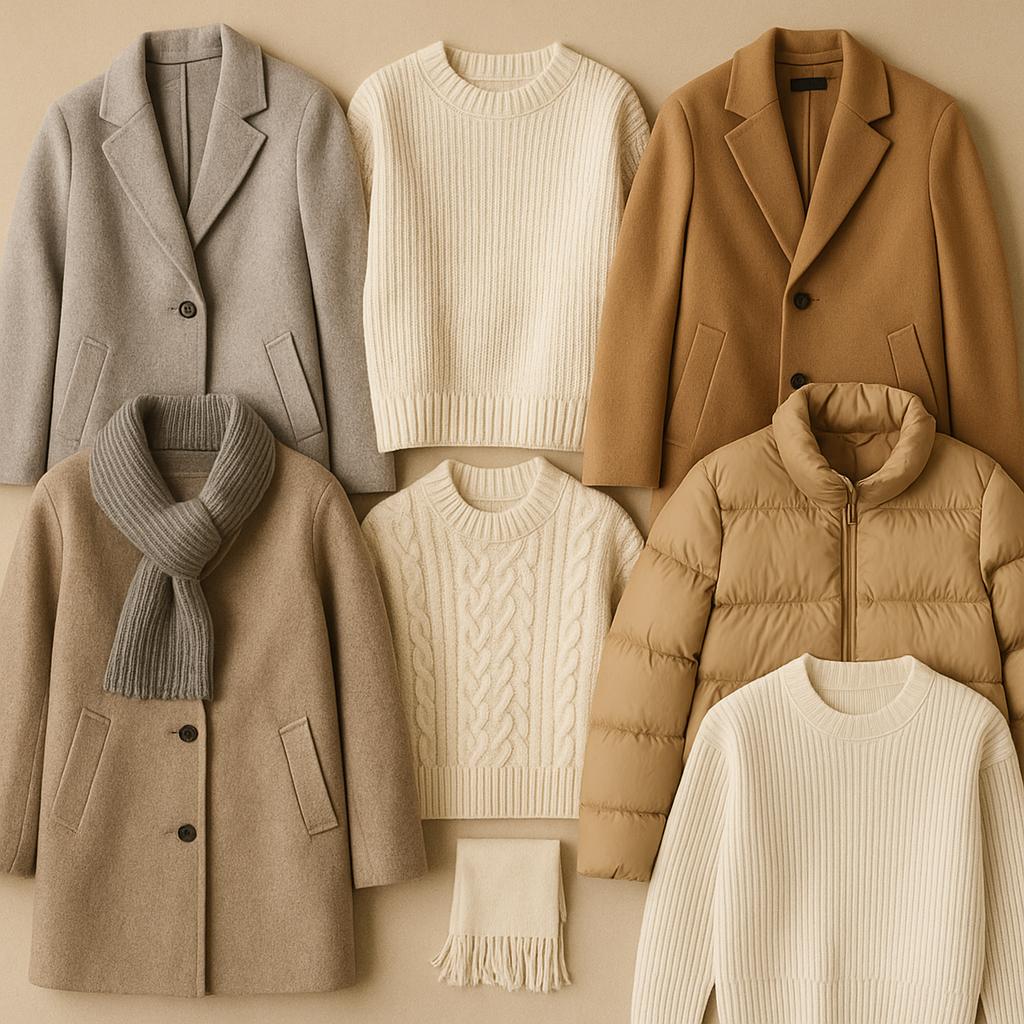
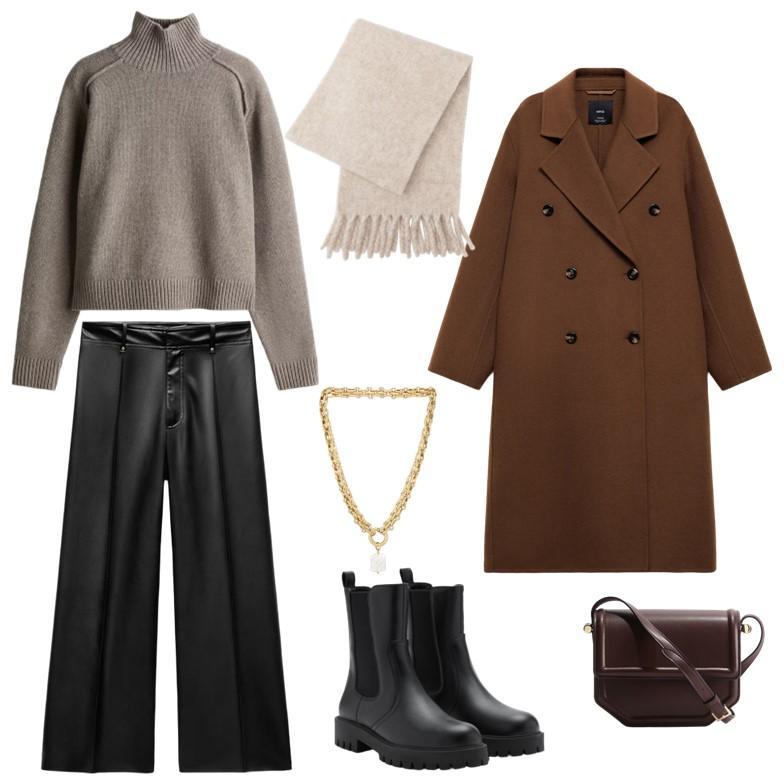
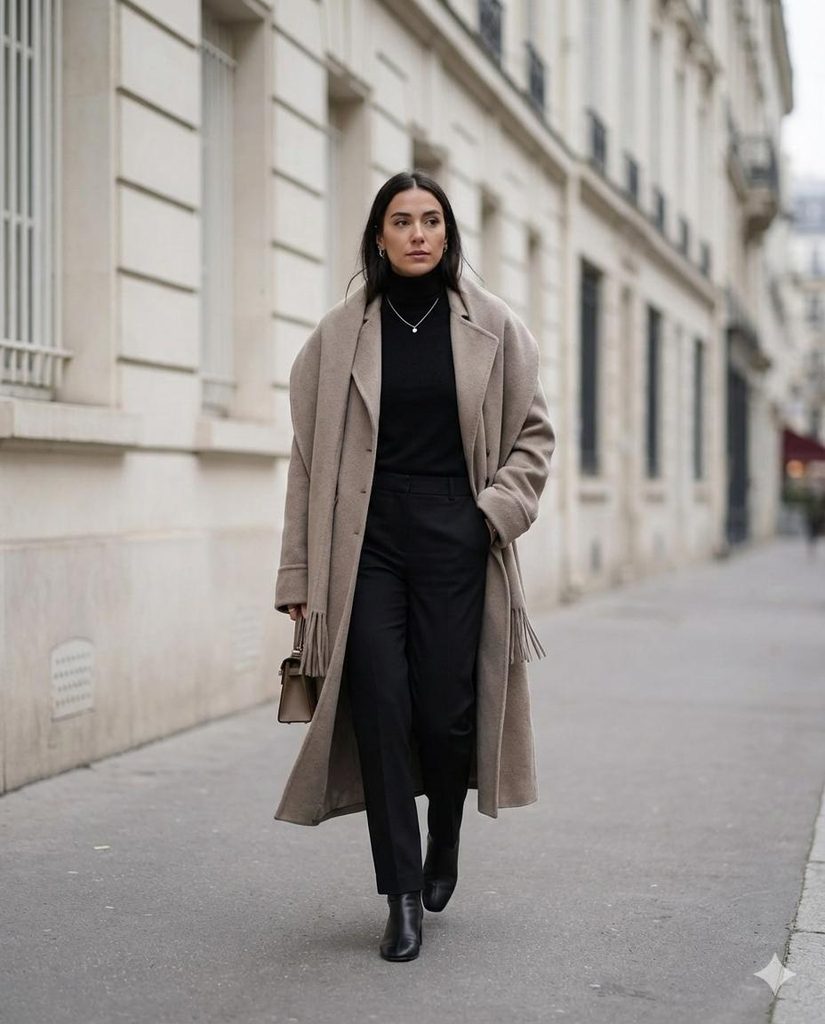
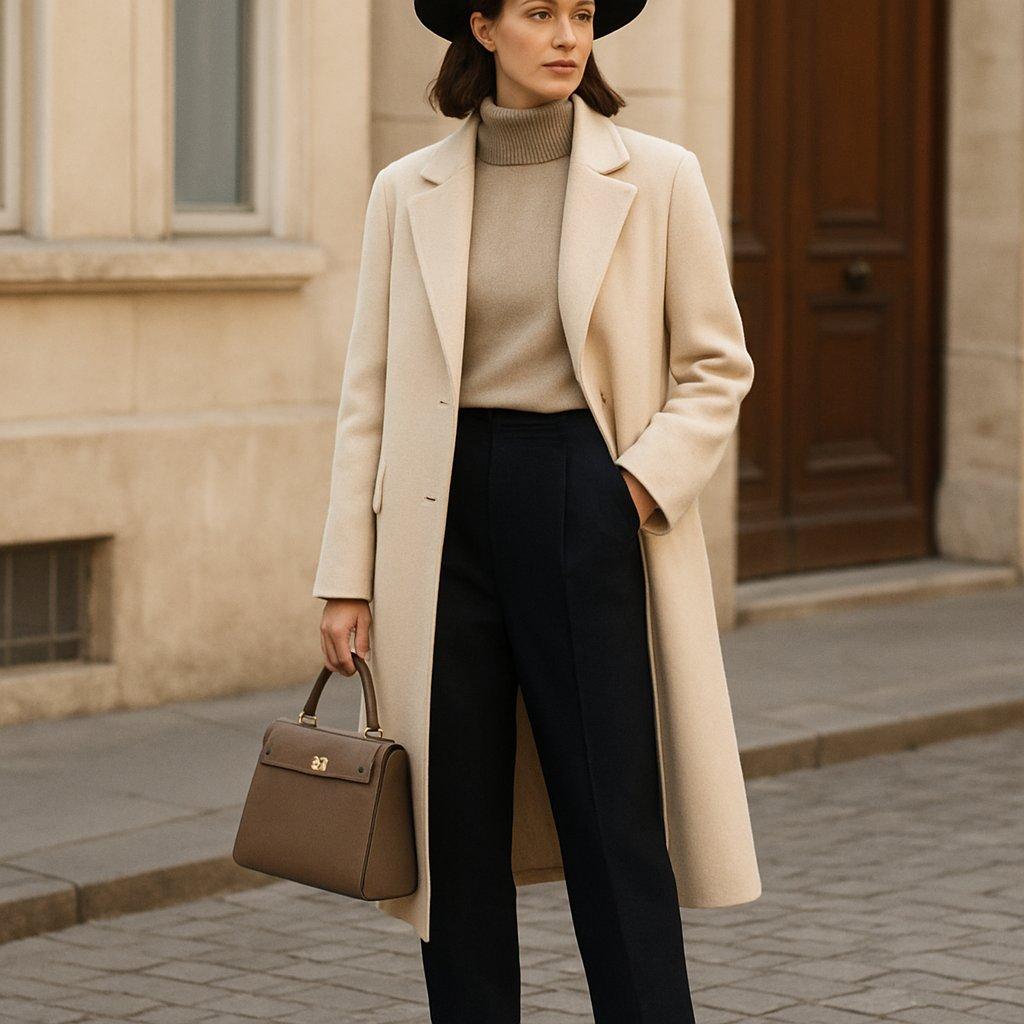
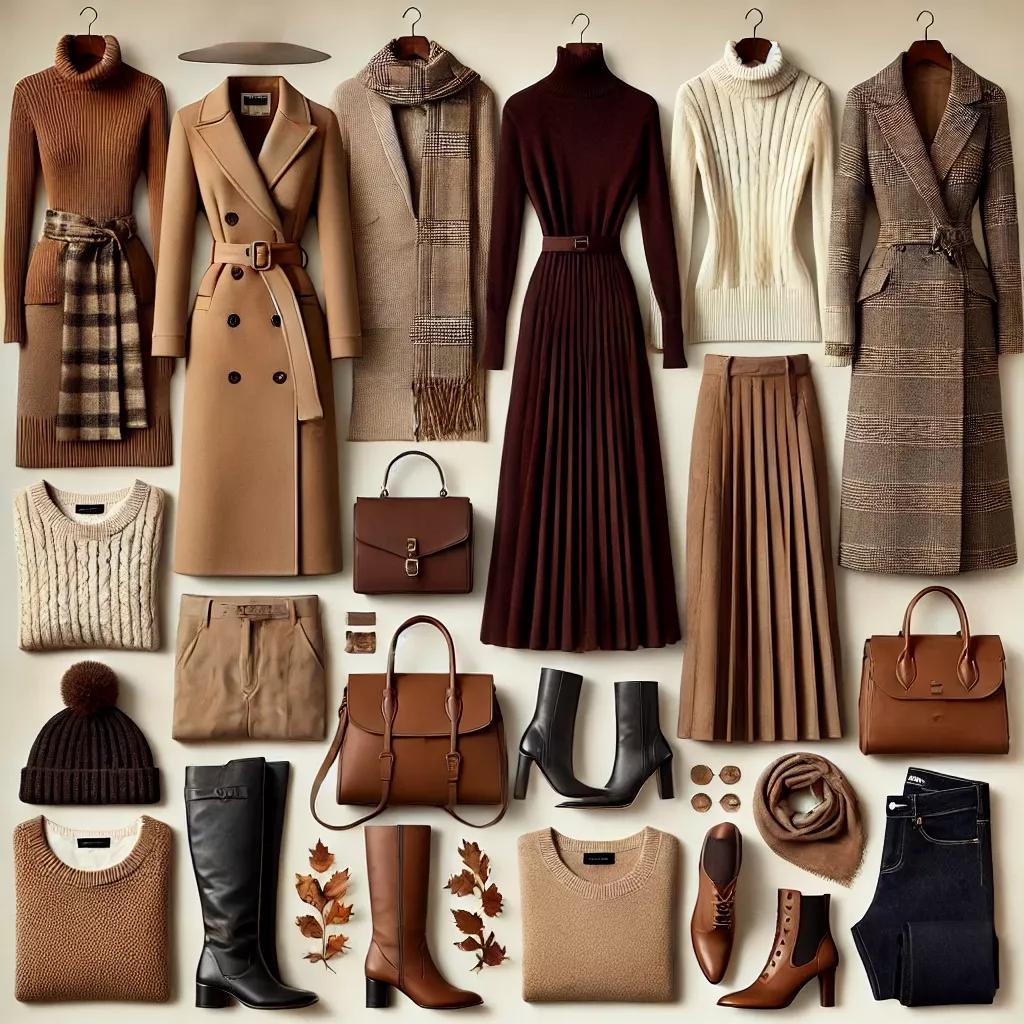
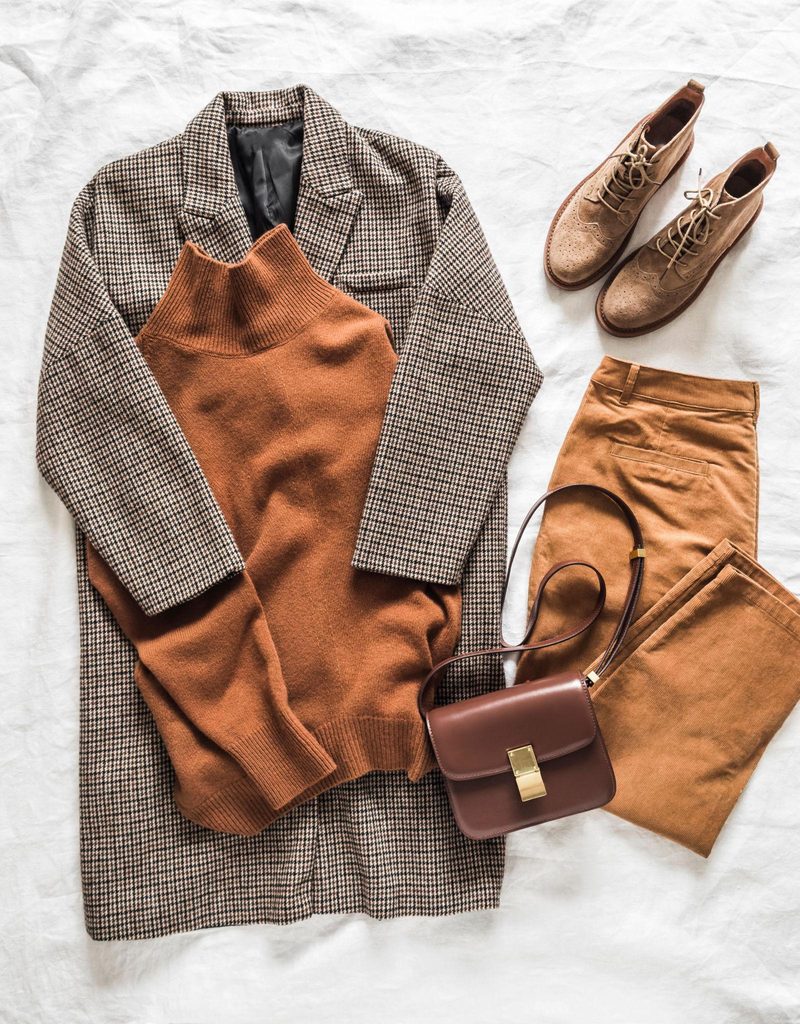
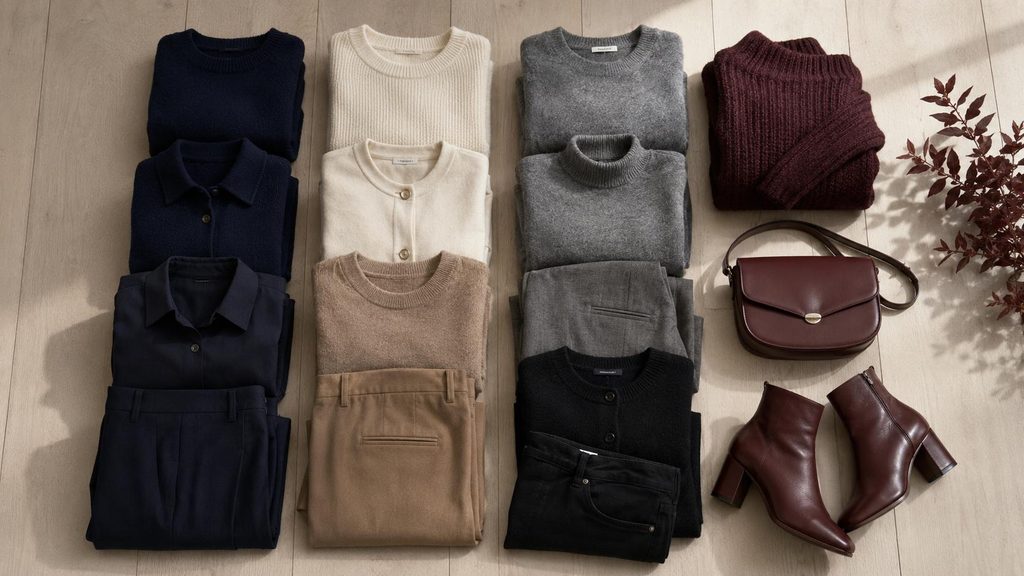
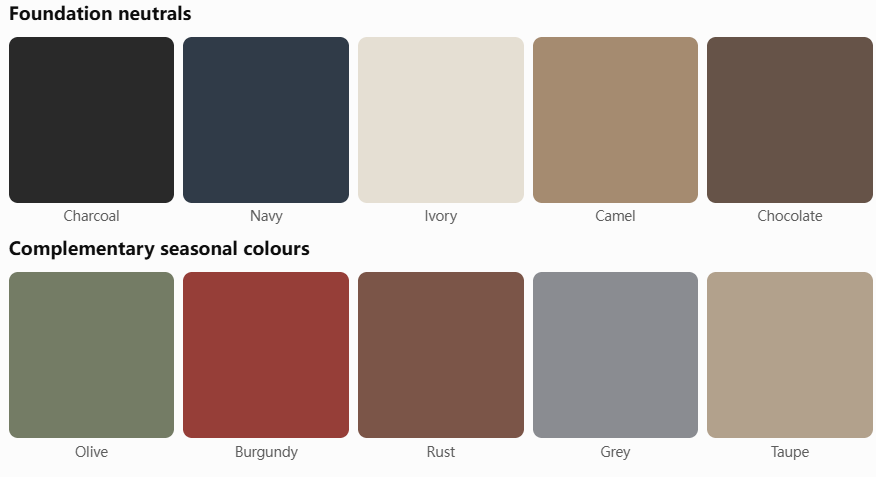
Colour is the easiest way to make a capsule wardrobe feel cohesive. For Autumn/Winter 2026, charcoal, navy, camel, ivory and chocolate brown make a reliable base. They sit comfortably alongside heavier fabrics and layered looks.
From there, add a few shades that give your outfits some character:
- Foundation neutrals: black, grey, ivory and navy
- Warm seasonal tones: camel, chocolate brown and taupe
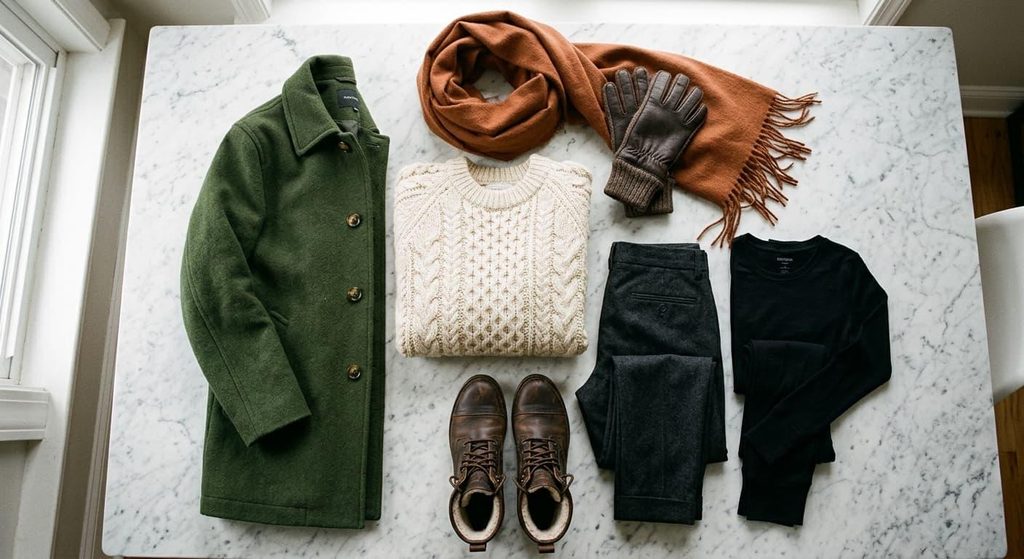
- Accent colours: burgundy, deep olive and muted rust
When everything belongs to the same palette, pieces mix and match without effort, and you can create plenty of different outfits without buying more.
3. Put Your Money Into Outerwear
A coat is the first thing people see, and it does a lot of the work in winter. If you are going to spend more on one piece, make it this one.
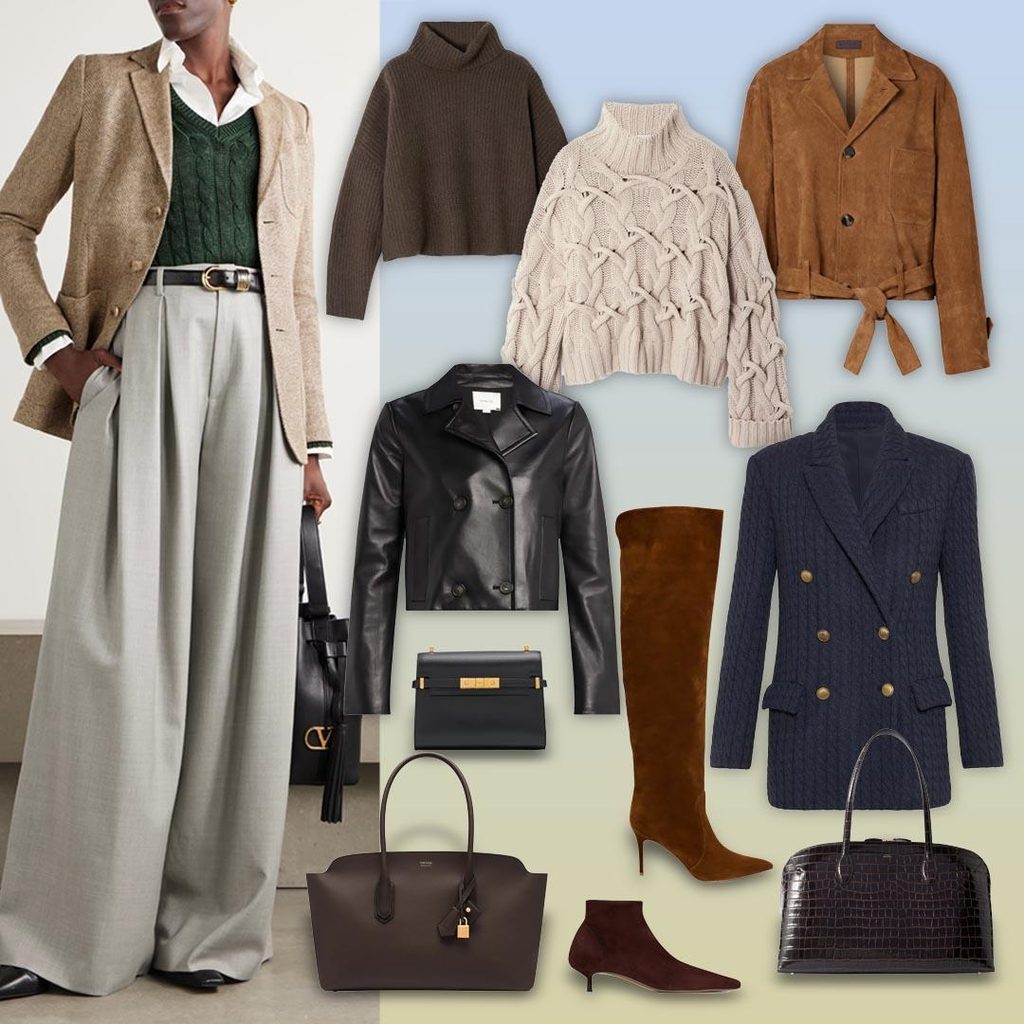
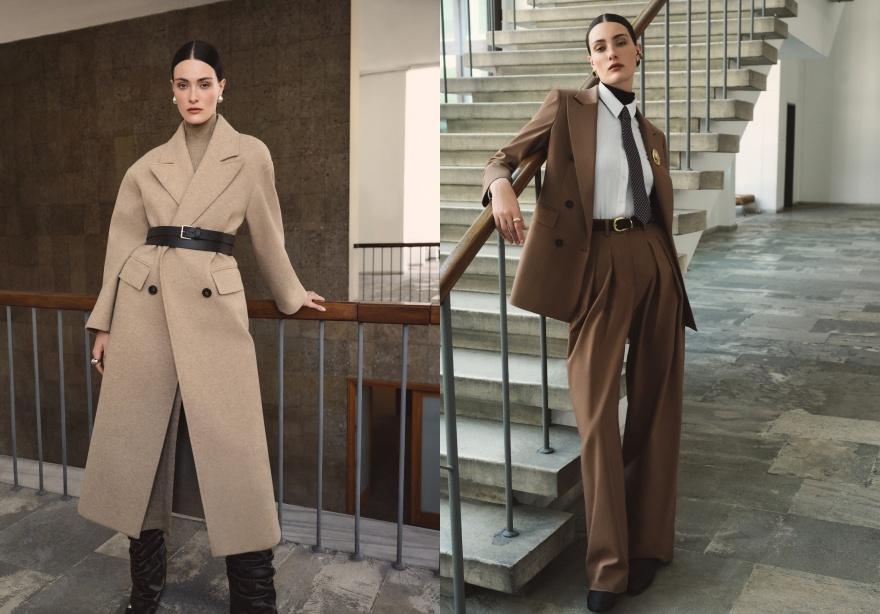
A well-cut wool coat in camel, charcoal or black is a safe choice, equally good for the working week and for dressier occasions. A tailored blazer or structured jacket adds another smart layer, and a classic trench is handy for milder days.
When you try coats on, look beyond the style. Fabric weight, lining, shoulder fit and overall construction matter far more than decorative details.
4. Build Around Good Knitwear
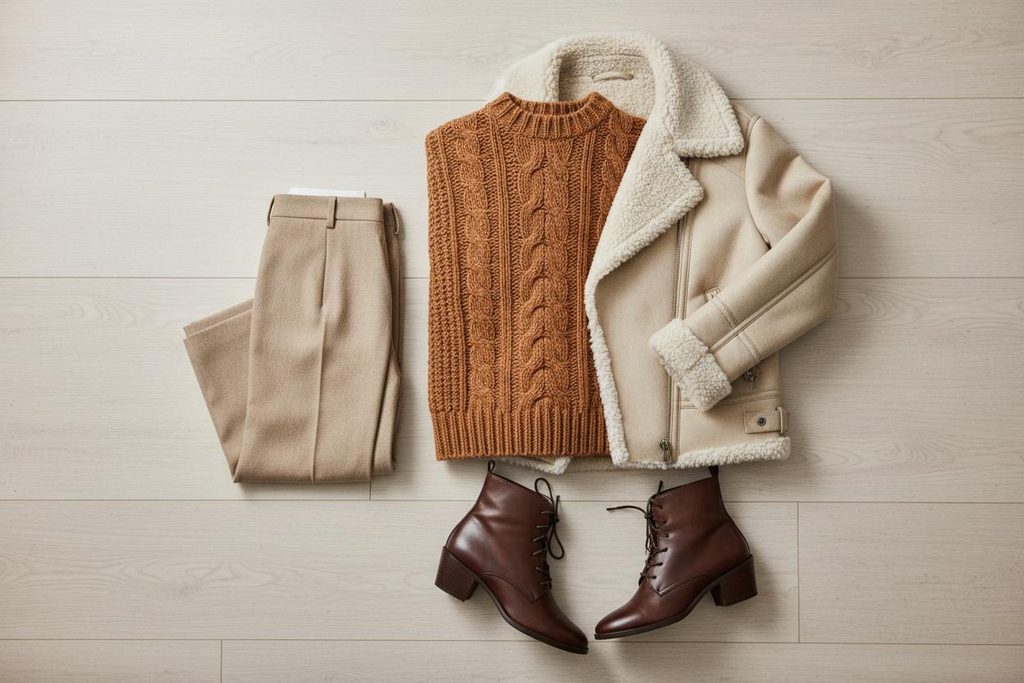
There is nothing quite like pulling on a well-made knit on a cold morning. Cashmere, merino and other natural fibres are soft and warm, and they add texture to a winter wardrobe.
You do not need ten similar jumpers. A few dependable styles will do:
- A classic crew-neck for everyday wear
- A fine-knit turtleneck for layering
- A relaxed cardigan for casual days
- A neutral jumper that works with both tailored trousers and denim
Wear them on their own or under a coat or jacket. Either way, they will earn their place all season.
5. Choose Bottoms and Basics That Work Hard
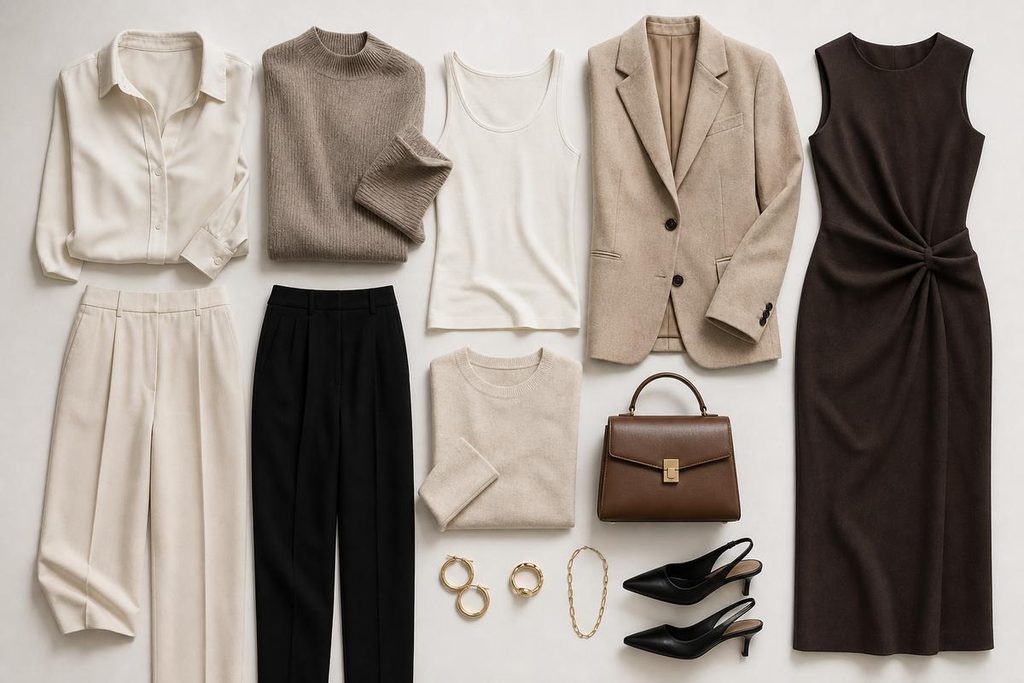
The right bottoms are the foundation of countless outfits. A pair of well-tailored wool trousers goes with almost everything, from knitwear and shirts to structured jackets. Dark denim feels more relaxed, and a midi skirt brings a softer shape to winter dressing.
A balanced selection might include:
- Tailored trousers in a neutral shade
- Dark-wash straight-leg denim
- A comfortable pair of everyday trousers
- A versatile midi skirt
- A well-fitting shirt or blouse
Above all, put fit and comfort first. The clothes that sit well on your body are the ones you will keep wearing year after year.
6. Finish With a Few Thoughtful Accessories
Accessories can change the feel of an outfit without changing the clothes. A structured designer handbag, a good leather belt or a soft, textured scarf gives a look that finishing touch.
For shoes, leather ankle boots, knee-high boots and classic loafers cover most situations. Choose practical pairs that go with what you already own, and keep your accessories purposeful. A handful of pieces you love will serve you better than a drawer full of things you rarely use.
7. Get Layering Right
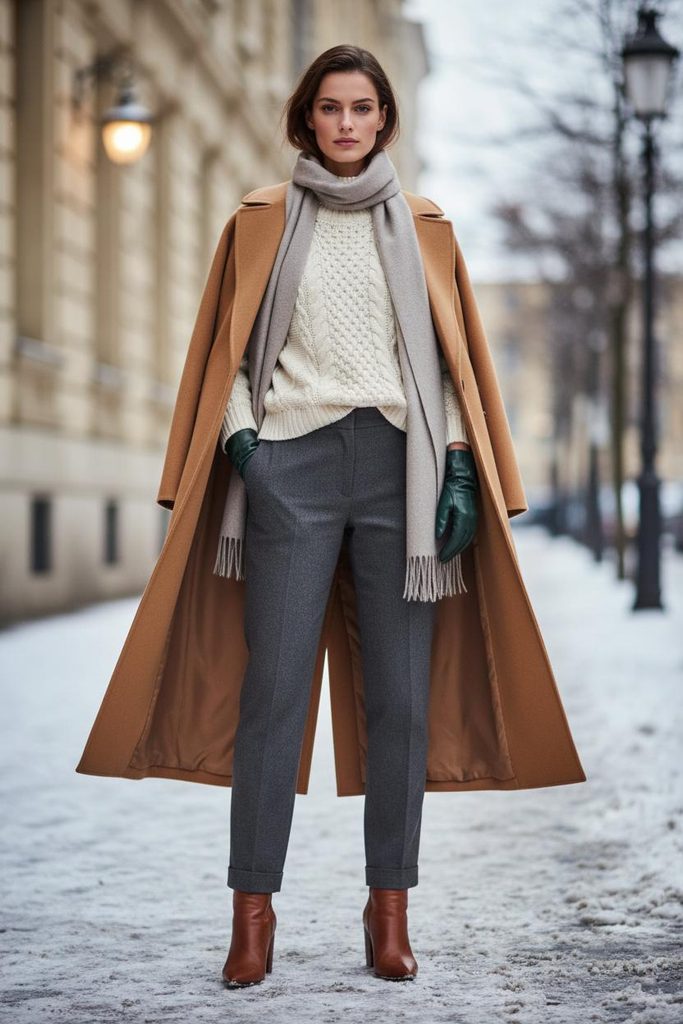
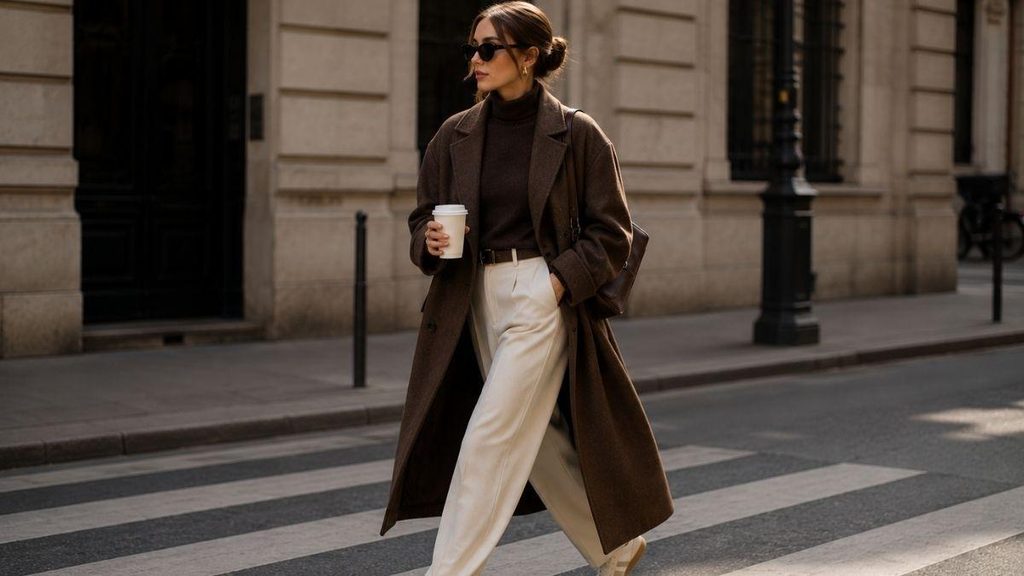
Layering well is mostly about proportion and texture. Try a fine-knit turtleneck with tailored trousers under a wool coat, or a cardigan over a crisp shirt with dark denim.
A few simple guidelines help:
- Pair fitted pieces with more relaxed ones
- Mix textures, such as wool, cashmere, denim and leather
- Keep the heaviest layers on the outside
- Choose fabrics that let you move comfortably
It should never feel complicated. The best combinations are usually the simplest ones.
8. Make Each Purchase Count
Before you buy something new, ask yourself whether it works with at least three things you already own. Think about quality, versatility and how often you will realistically wear it.
It also helps to think in terms of cost per wear. A well-made coat that you wear regularly for several winters is often better value than a handful of pieces that only suit one or two outfits.
And there is no rush. A good capsule wardrobe builds up gradually, so you do not need to buy everything in a single shopping trip.
A More Considered Way to Dress
In the end, a capsule wardrobe is about balancing the practical with the personal. With a timeless base, some lovely textures and a few carefully chosen accents, getting dressed becomes less about having endless choices and more about enjoying what you already have.
The result is a wardrobe that feels considered without being restrictive, and elegant without trying too hard, ready for whatever the season brings.