
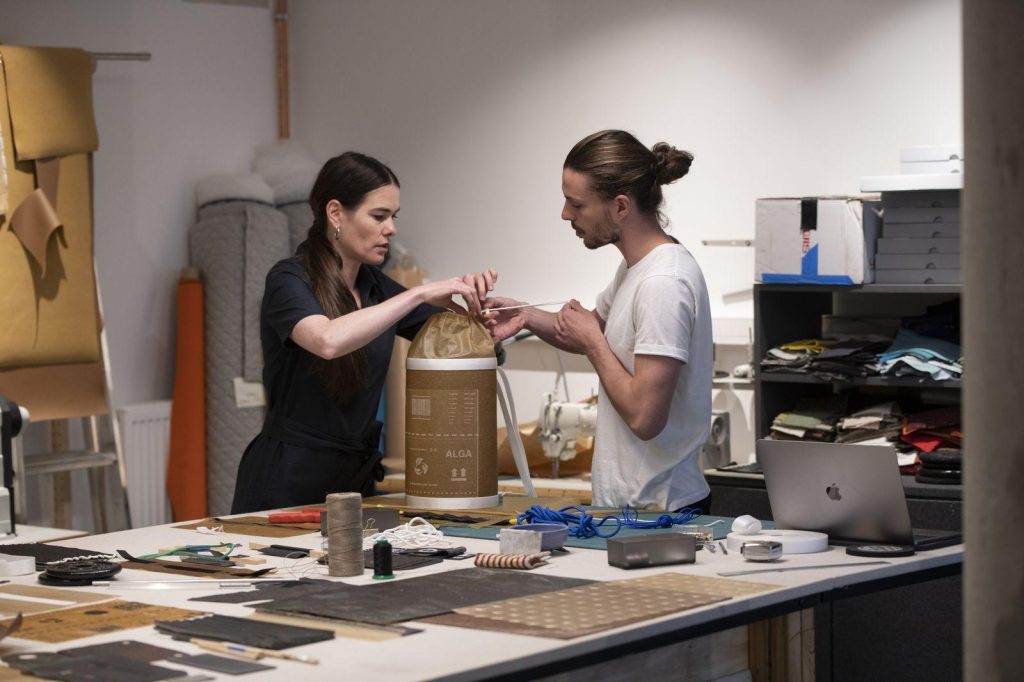

Contemporary accessories were once defined by rarity and richness of material. Today, a new question accompanies them: where did this come from, and how long will it last? Designers and shoppers alike are placing greater value on responsibility, and the result is a quiet transformation in how handbags, belts, scarves and small leather goods are made. Innovation and heritage craftsmanship are no longer opposites. Increasingly, they work together to create accessories that feel beautiful and considered.
The Evolution of Material Choices
For decades, accessory design focused on appearance, feel and prestige. Now, growing awareness of resource use, waste and supply chains is reshaping those priorities. Customers ask more questions, and premium brands are responding with greater transparency and experimentation.
- Consumer expectations: Shoppers want to understand how a piece is made
- Design opportunity: New materials bring new textures, colours and finishes
- Industry pressure: Producers are rethinking sourcing, energy use and waste
Recycled Materials
Giving existing materials a second life is one of the most accessible routes to sustainability.
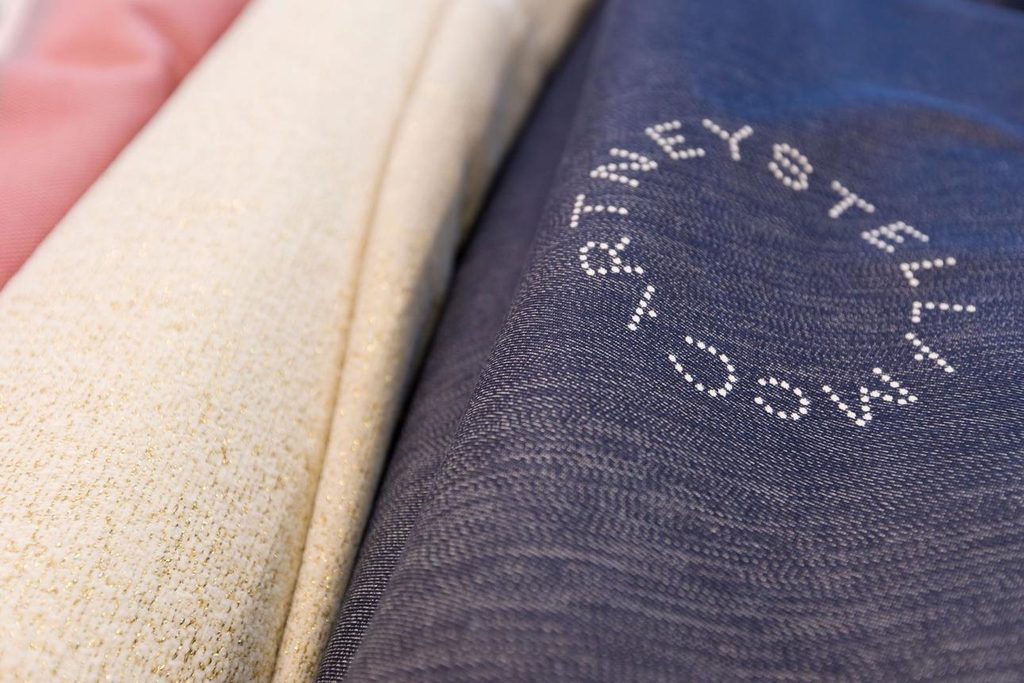
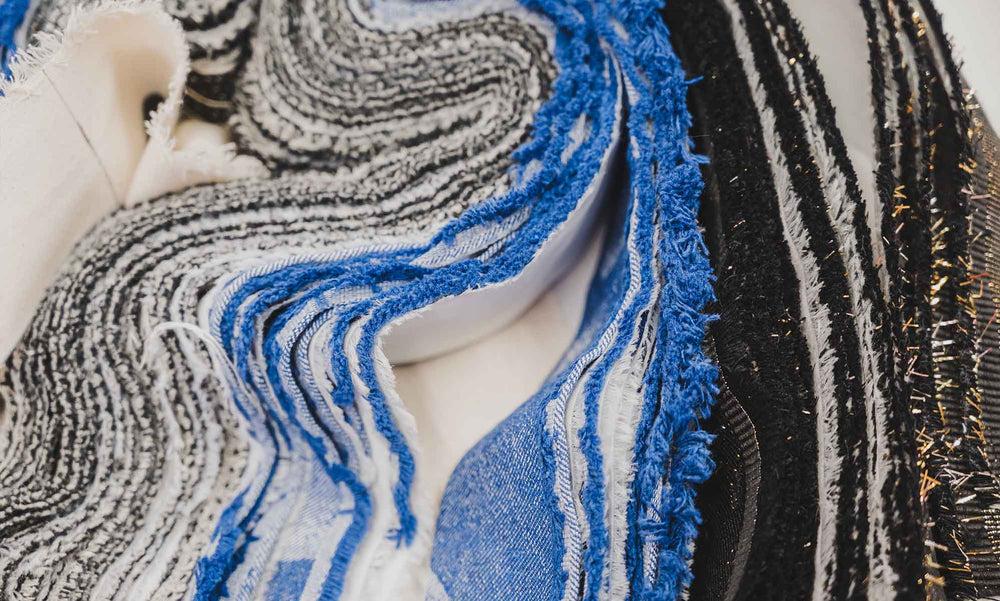
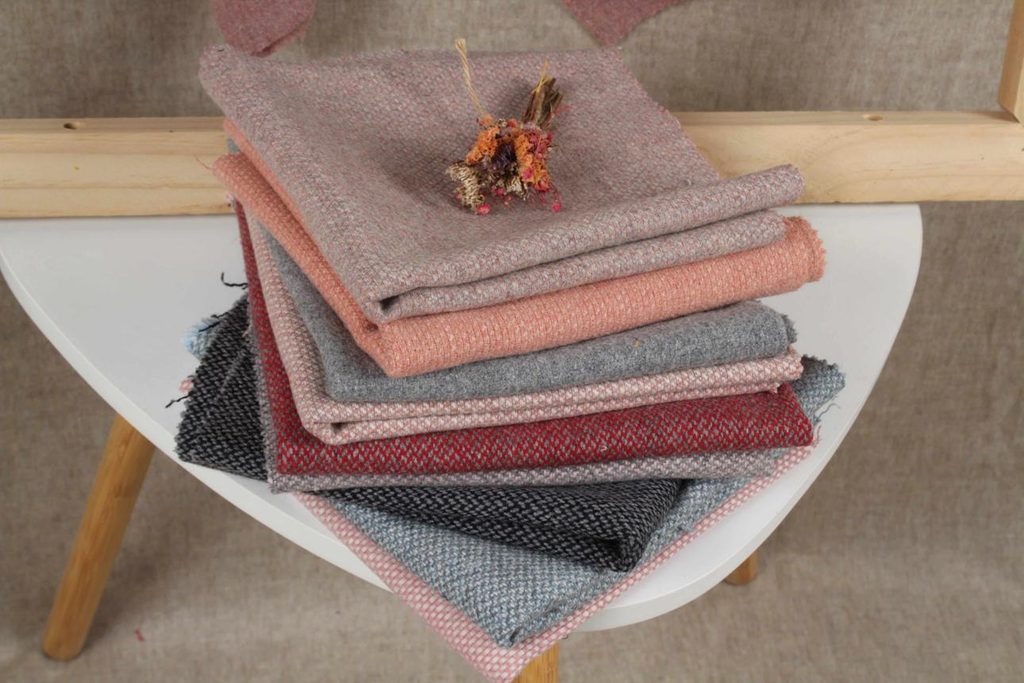
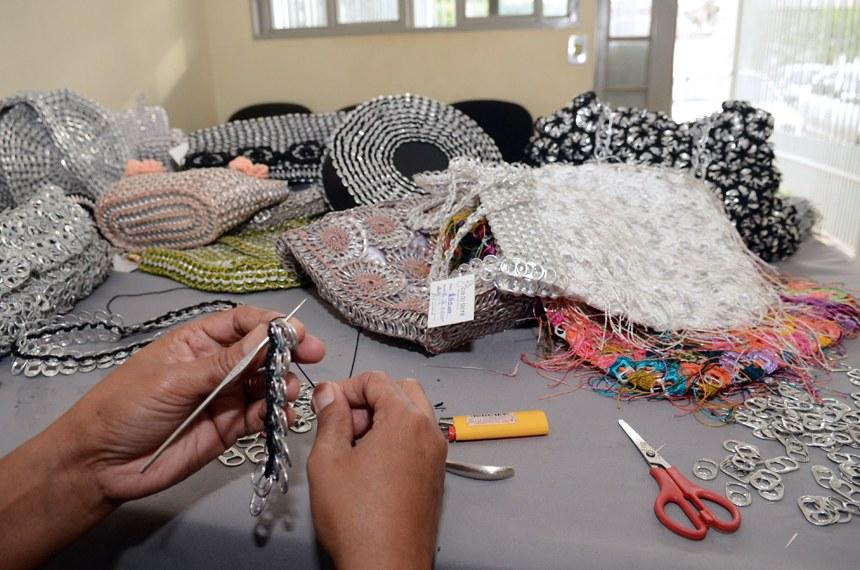
- Recycled textiles: Offcuts and reclaimed fabrics are woven into new linings, straps and trims
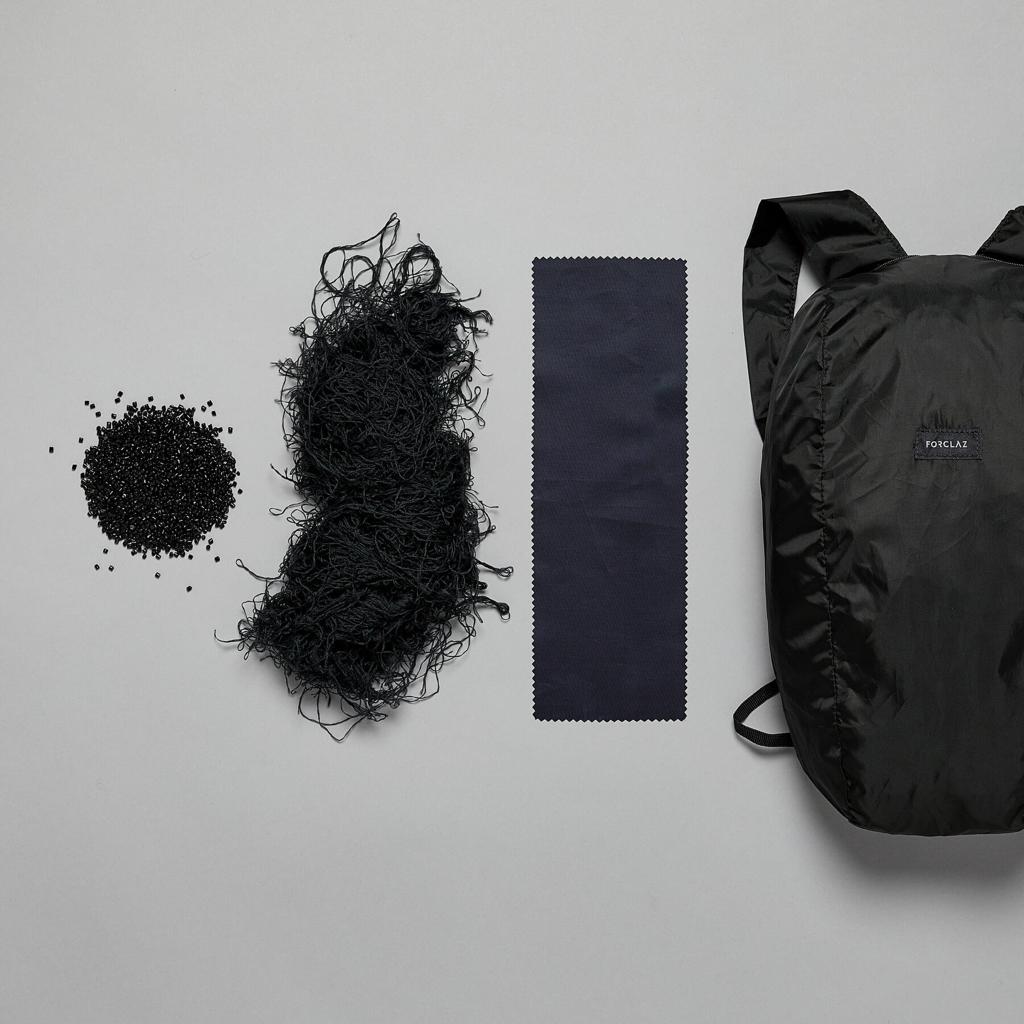
- Recycled synthetic fibres: Yarns made from recovered plastics can be turned into durable, lightweight nylon-style fabrics
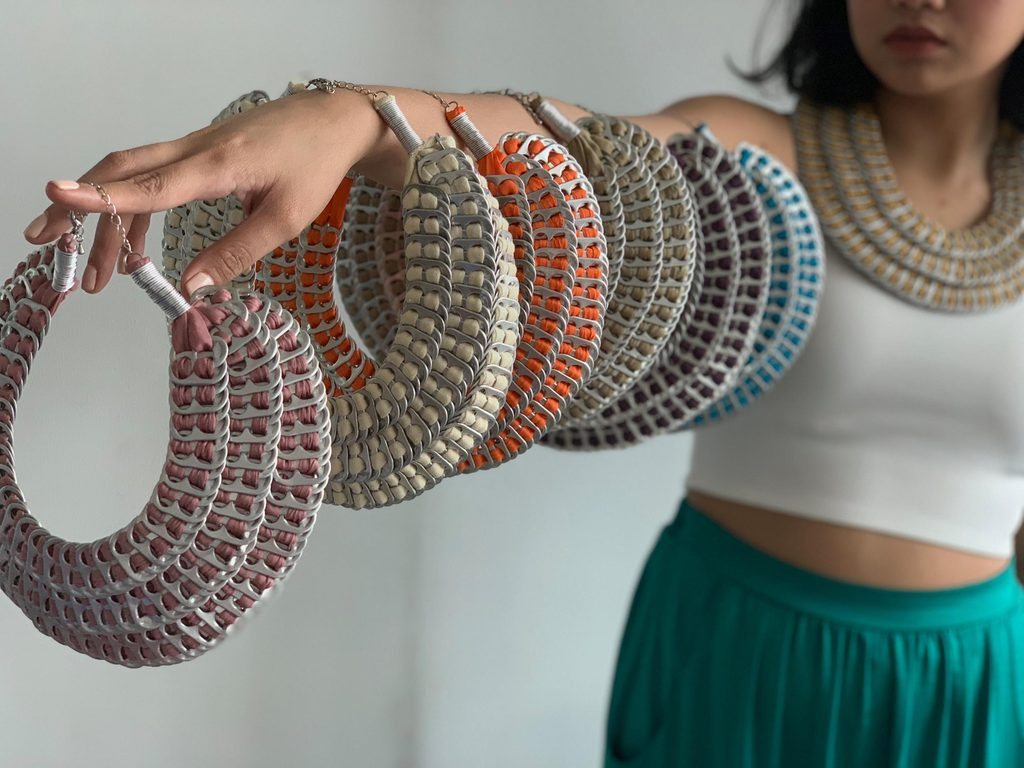
- Recycled metals: Reclaimed brass and other metals are used for clasps, buckles and chains, often with no visible difference in quality
When well executed, recycled materials look and perform just as refined as new ones, while reducing demand for virgin resources.
Plant-Based and Bio-Based Alternatives
Some of the most exciting developments come from nature itself.
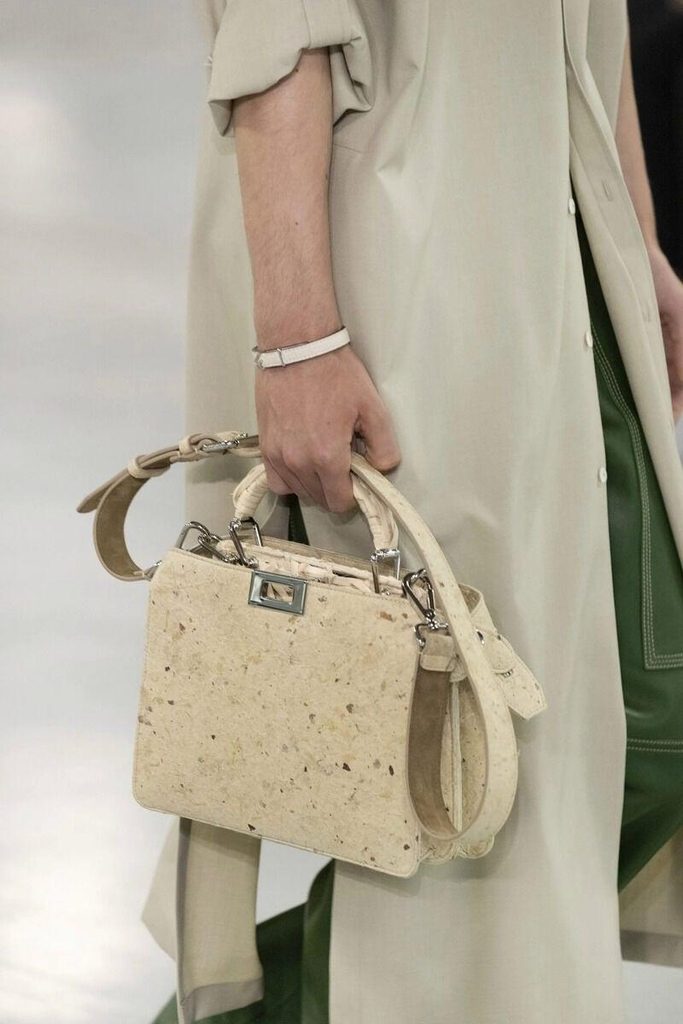
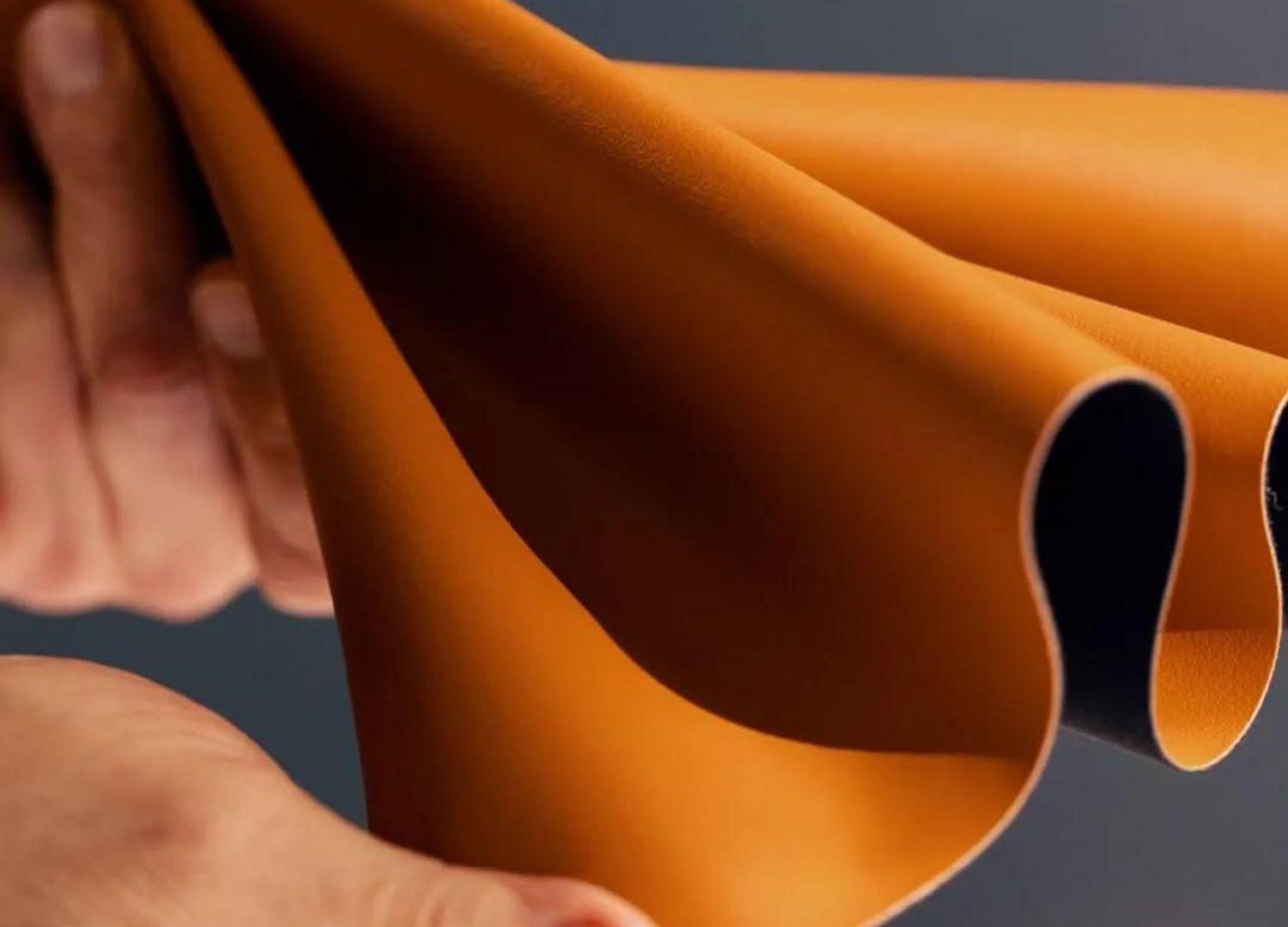
- Apple-based materials: Fruit waste from juice production is processed into a leather-like material
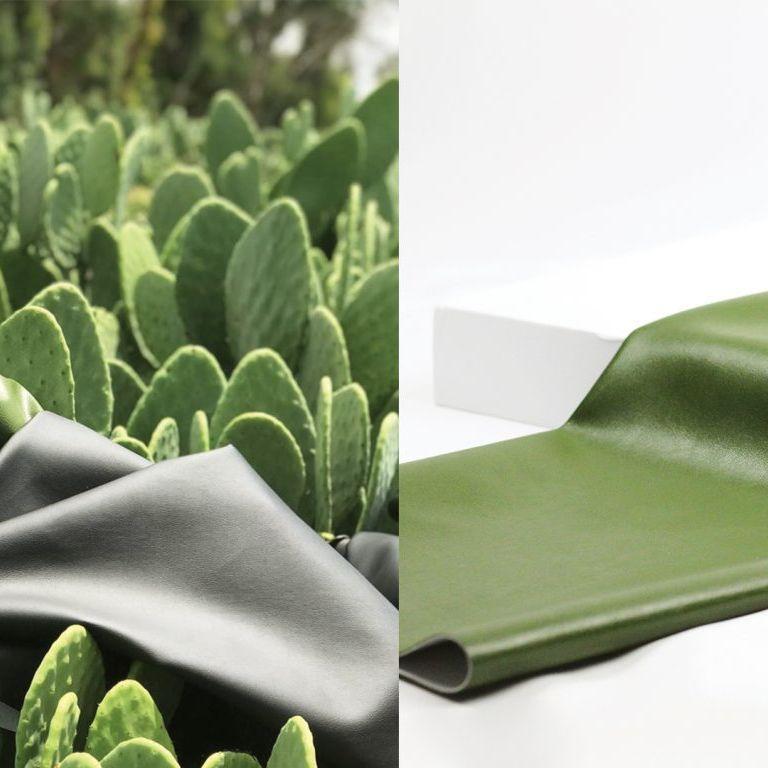
- Cactus-based materials: Cultivated cactus leaves yield a flexible, durable surface
- Mycelium: Grown from mushroom roots, this fibrous material can be shaped and finished to resemble fine leather
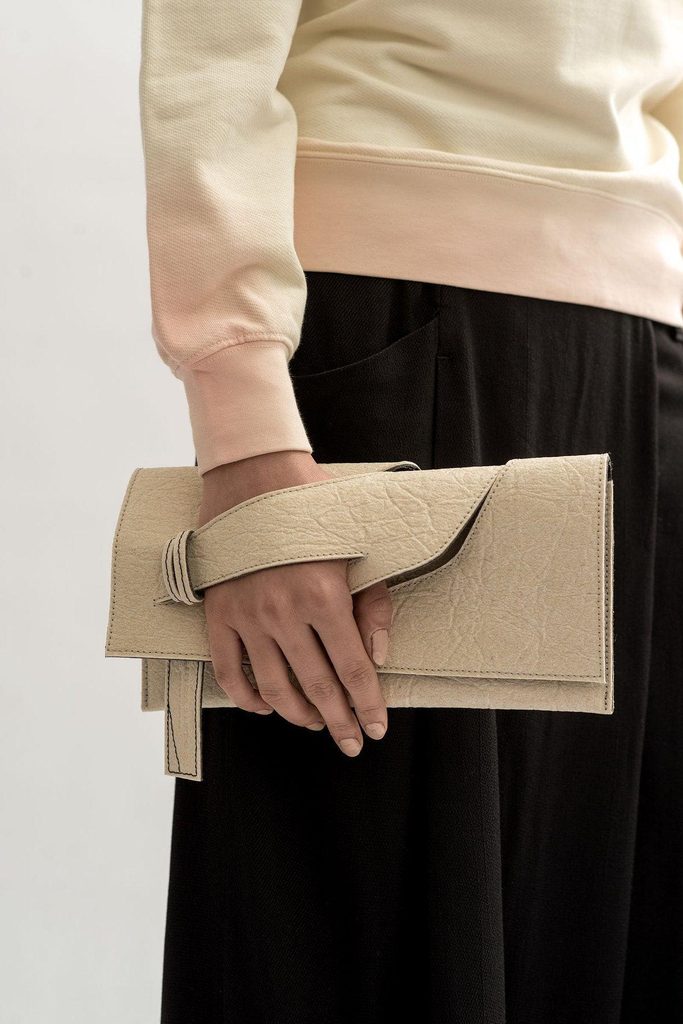
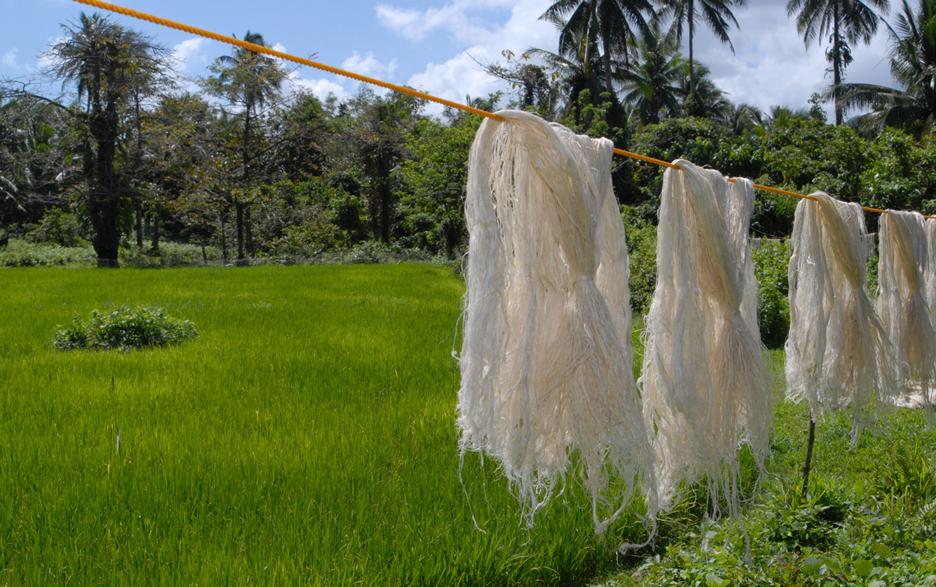
- Pineapple-based materials: Fibres from pineapple leaves create a textured, supple alternative
These innovations are still evolving. Some blend plant matter with other components, and their durability and finish vary, so it is worth checking how a particular material performs before buying. As the technology matures, expect greater refinement and wider use.
Responsible Leather
Leather remains central to contemporary accessories, and its production is improving.
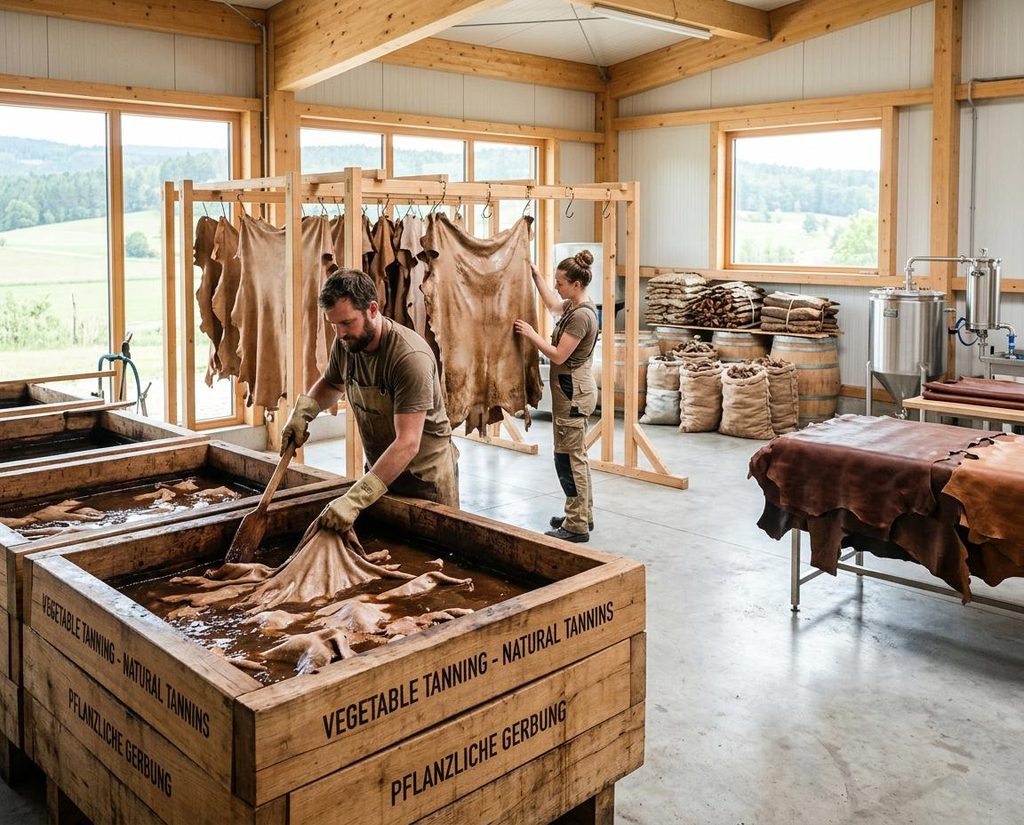
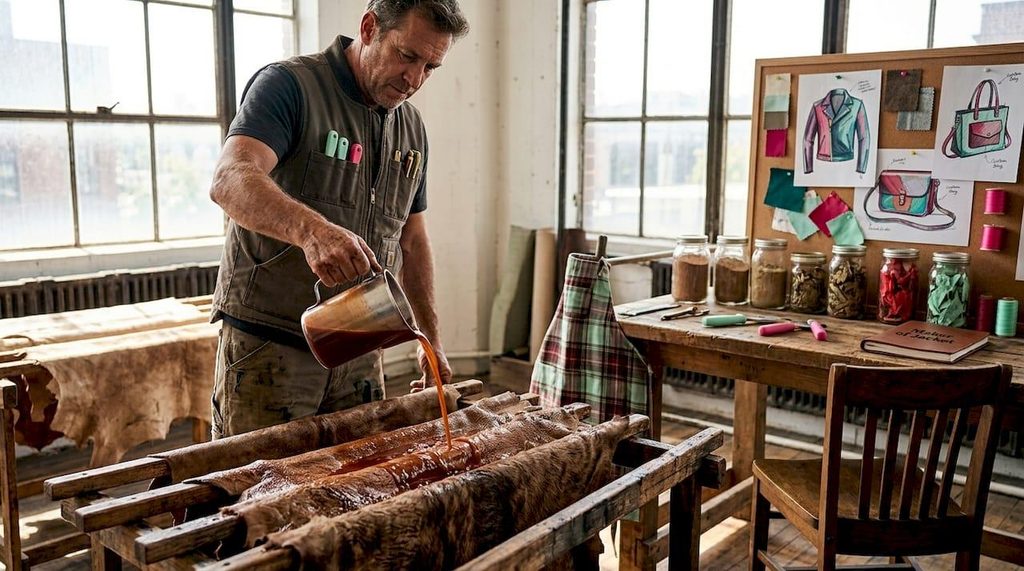
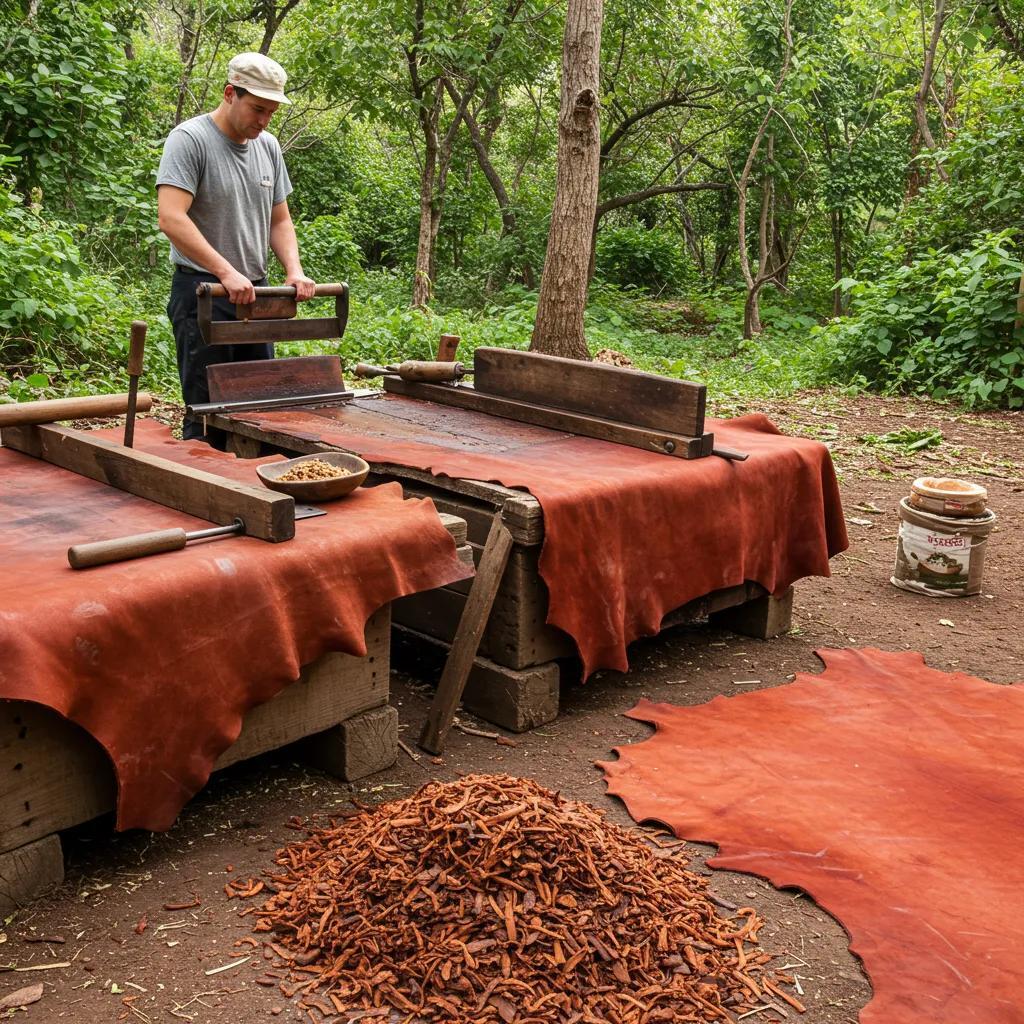
- Tanning: Vegetable and other lower-impact tanning methods reduce reliance on harsh chemicals
- Traceability: Clearer records show where hides originate and how they are processed
- Improved practices: Better water management, energy efficiency and waste reuse
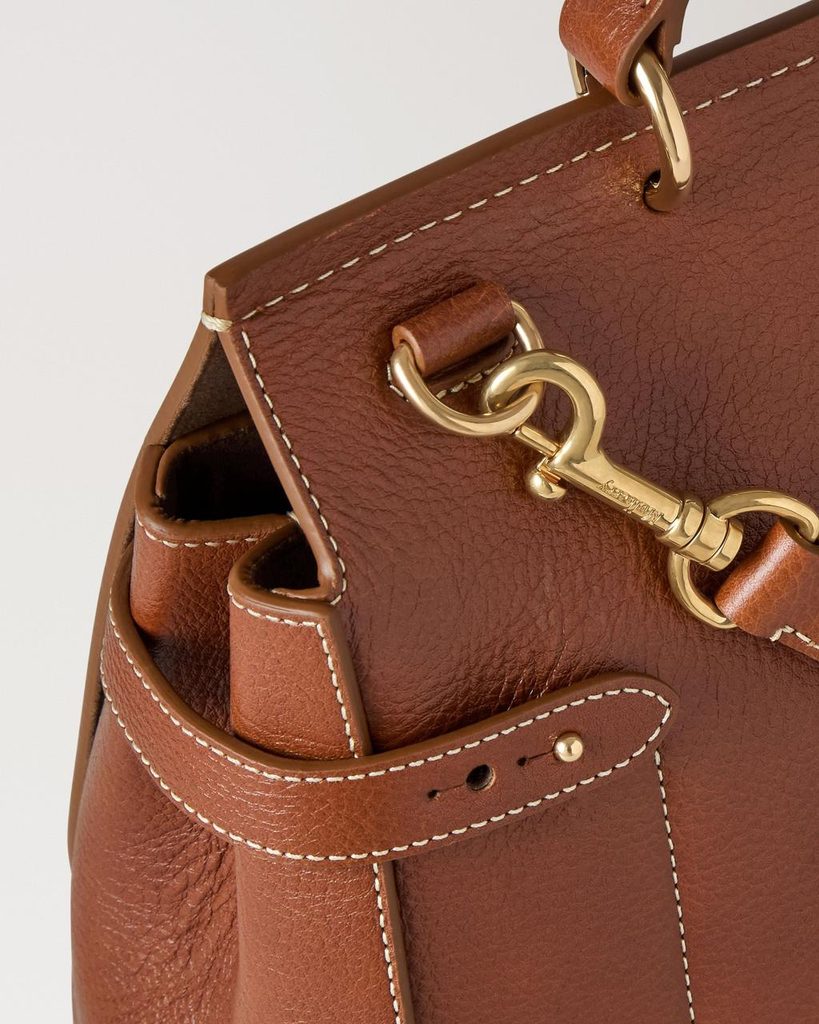
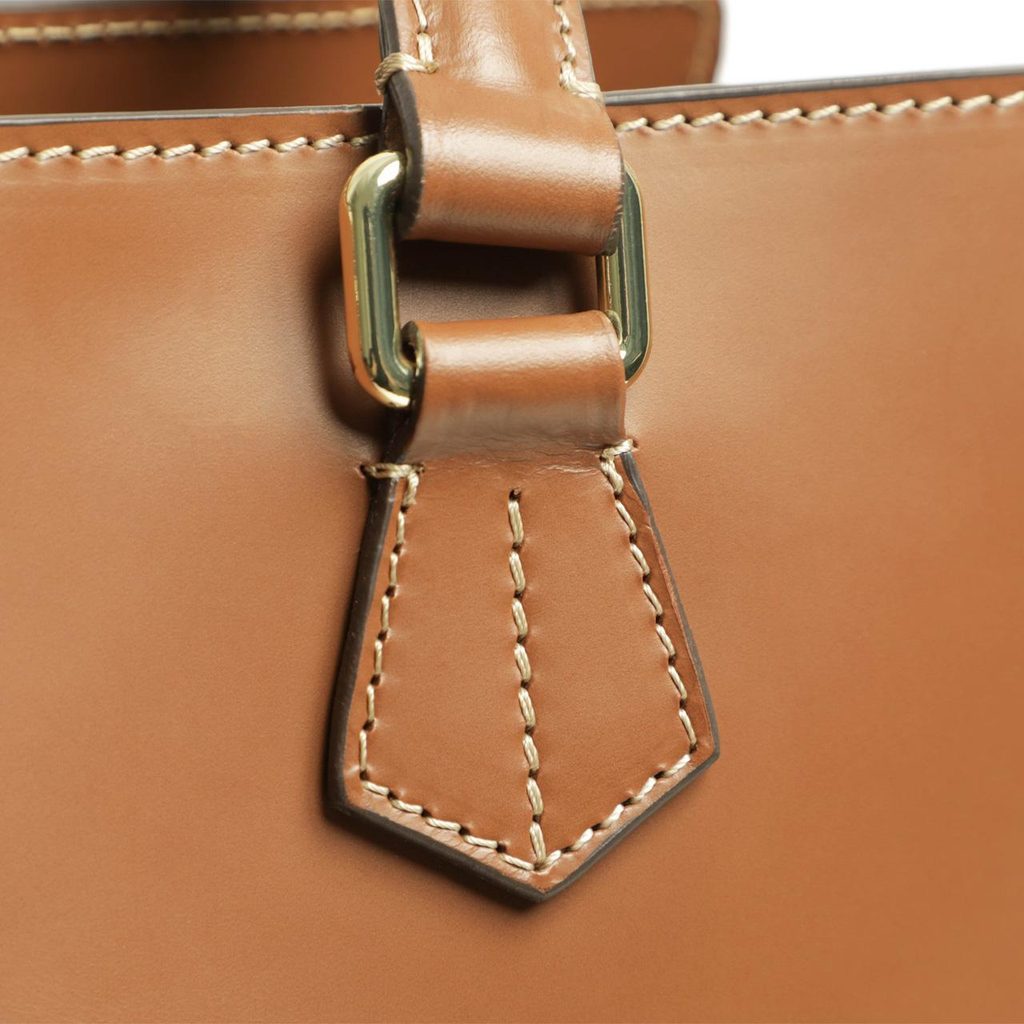
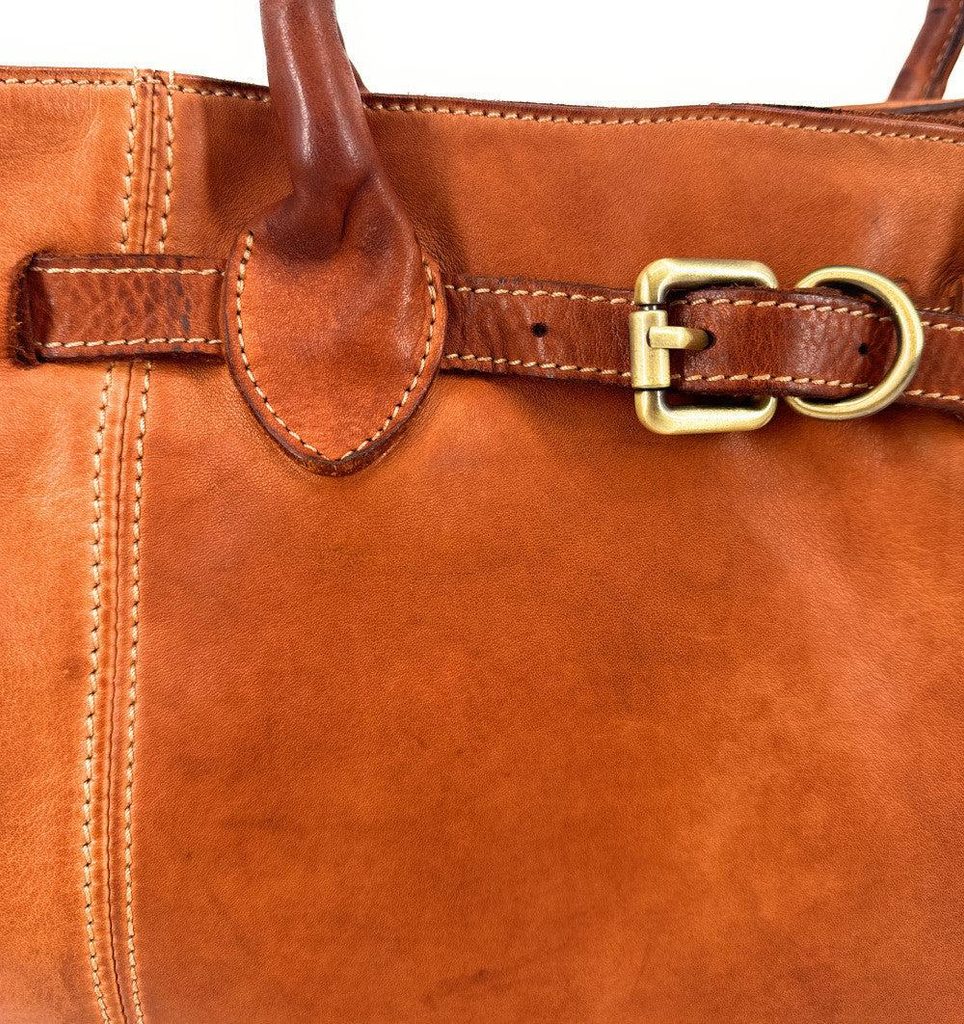
Because high-quality leather is long-lasting, a well-made piece can be among the most sustainable choices, provided it is made responsibly and cared for properly.
Natural Fibres and Innovative Textiles
Traditional natural materials are enjoying a renaissance.
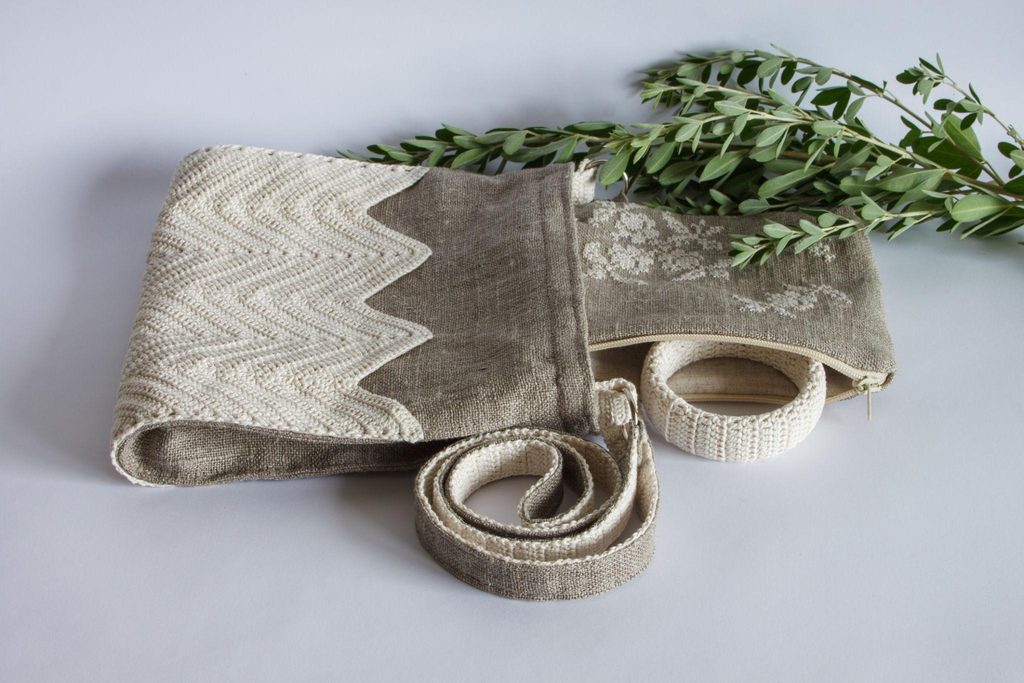
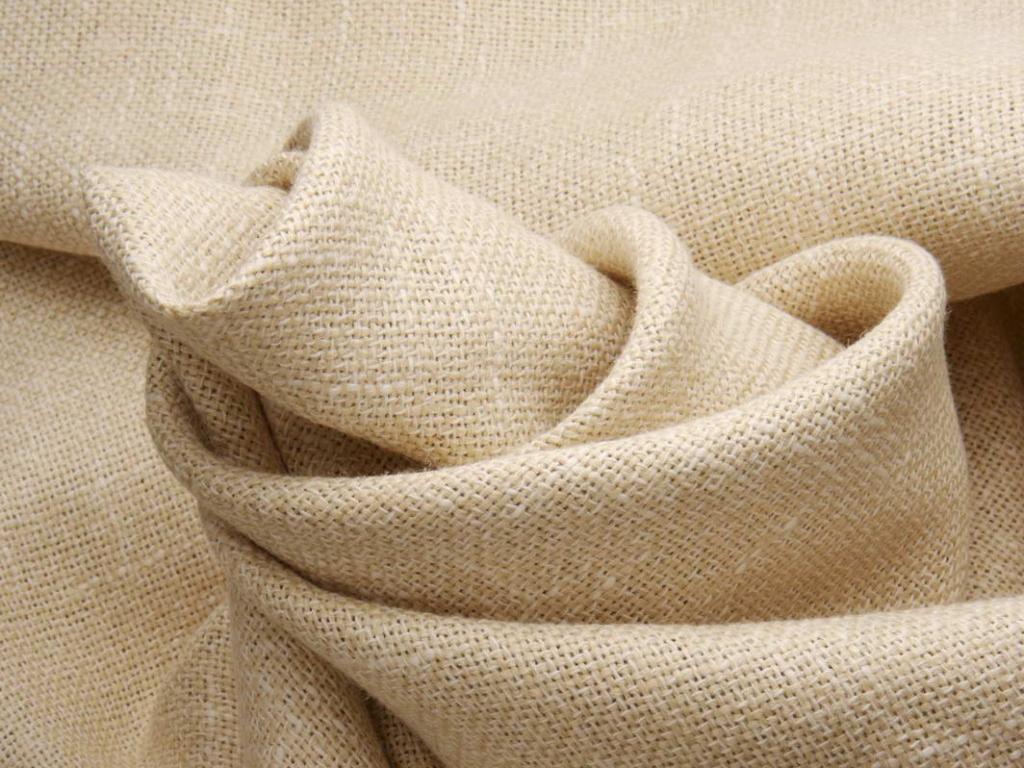
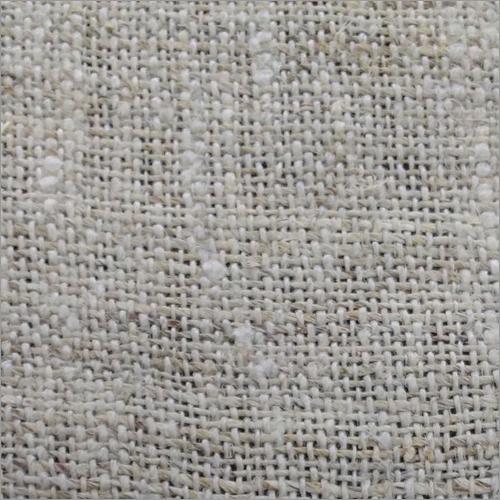
- Hemp and linen: Strong, breathable and requiring comparatively few resources to grow
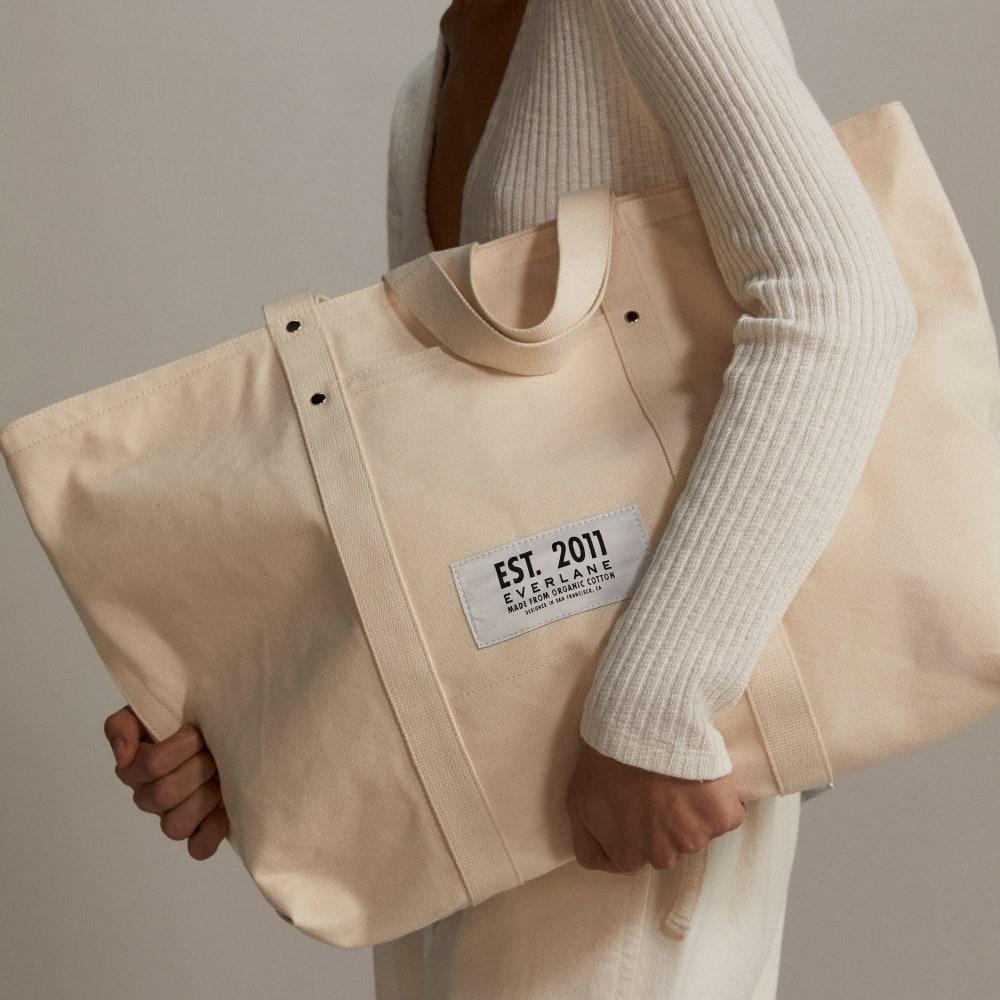
- Organic cotton: A softer option for lining, canvas and tote designs
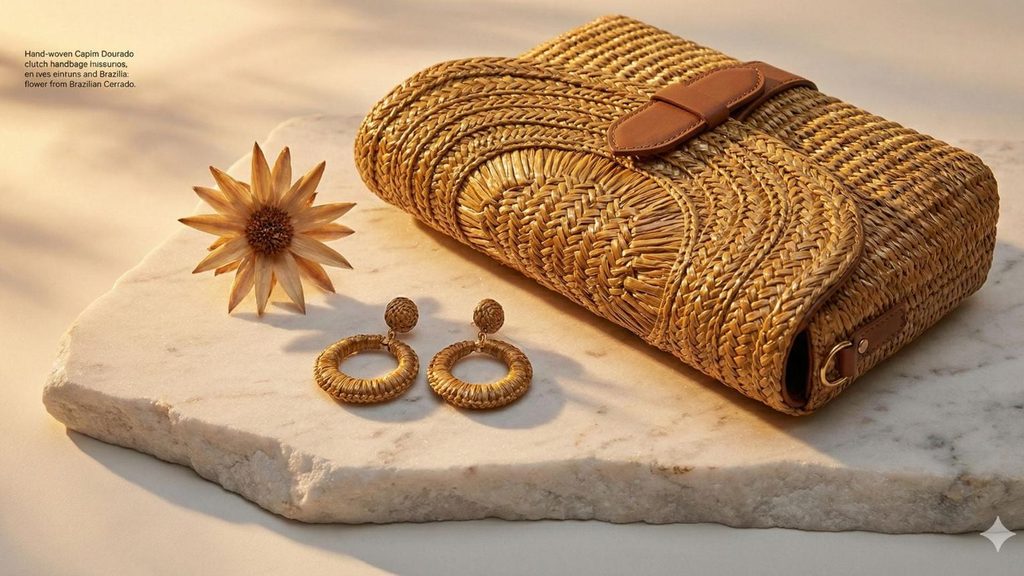
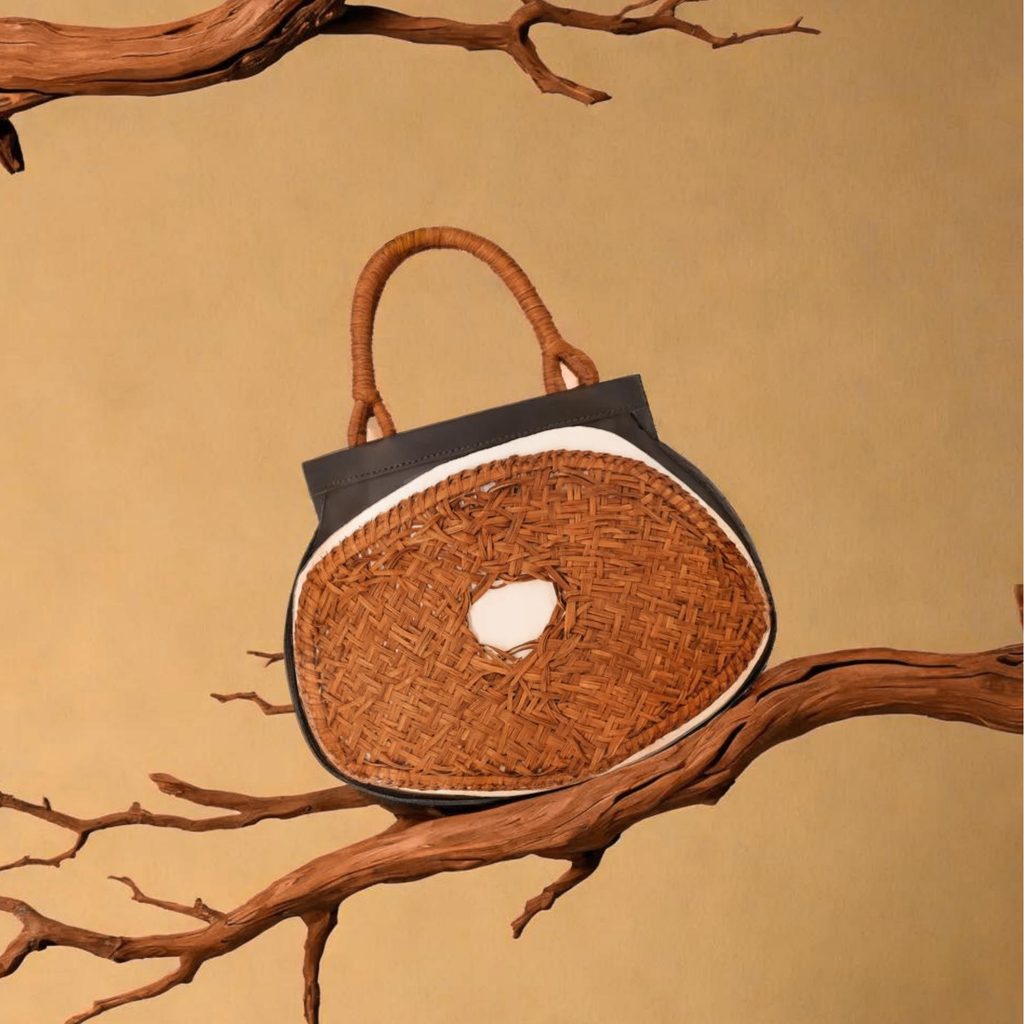
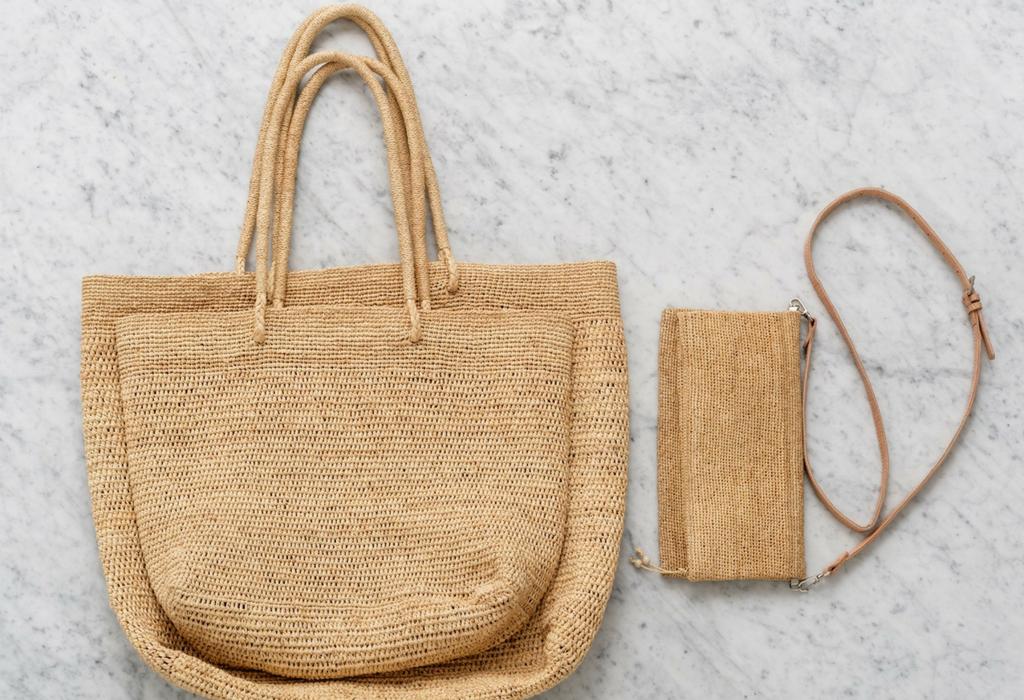
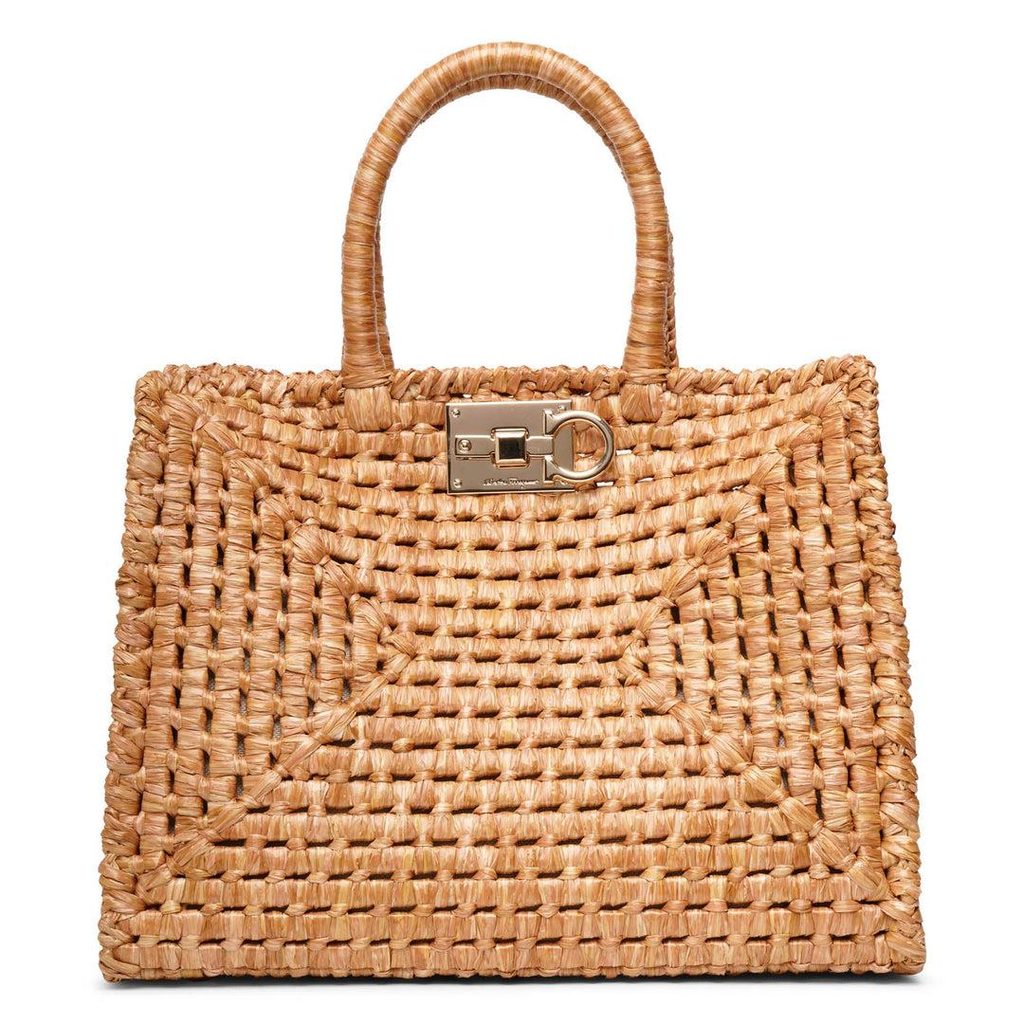
- Raffia: Handwoven and lightweight, it adds artisanal texture to warm-weather bags
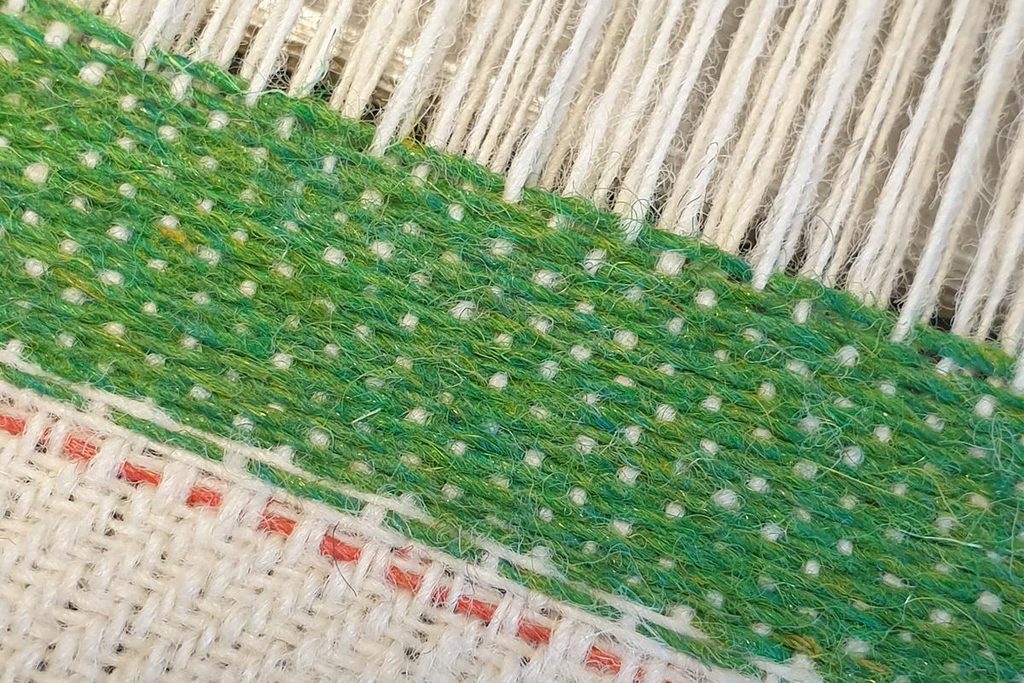
- Innovative blends: New weaves combine natural fibres with advanced finishing for improved strength
Durability and Circular Design
The most sustainable accessory is the one you keep. Designers are increasingly planning for a long life.
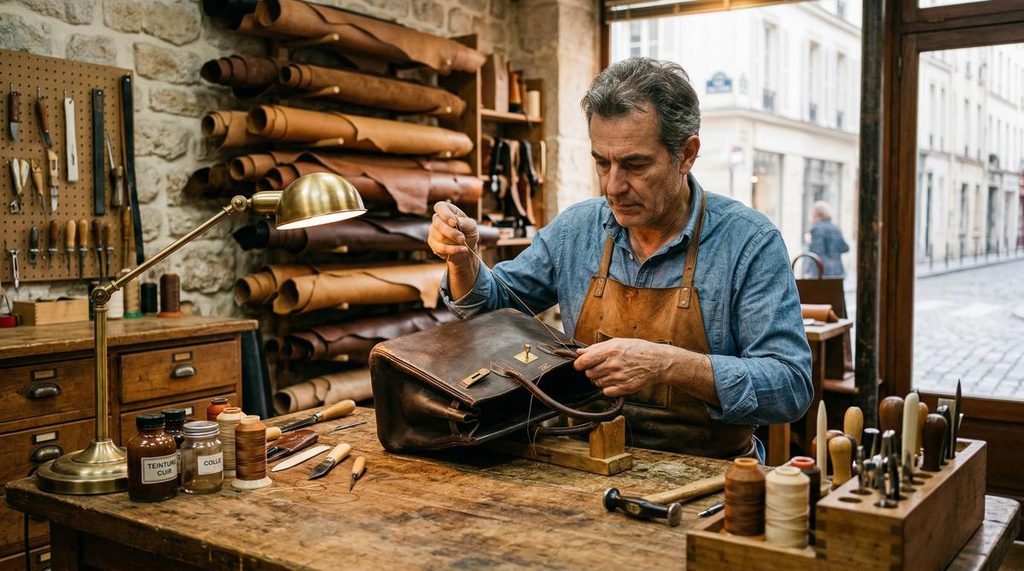
- Repair: Replaceable straps, restitchable seams and refreshable edges
- Reuse: Resale and pre-owned markets keep quality pieces in circulation
- Longevity: Timeless silhouettes and neutral shades resist trends
- Recycling: Designs that separate easily into materials at the end of their life
The Future of Accessory Design
The next chapter of contemporary will be defined by collaboration between innovation and craftsmanship. New materials will continue to emerge, but skilled making, careful finishing and thoughtful design will remain the benchmarks of quality. The most compelling accessories will combine fresh ideas with enduring workmanship.
Conclusion: A More Considered Contemporary
Modern contemporary is moving beyond abundance towards intention. Choosing accessories made with care for materials, makers and longevity allows style and responsibility to coexist. Look for transparency, quality and timeless design, and your wardrobe will reflect both taste and thoughtfulness.