
There is a reason monochrome dressing never goes out of style. One colour, worn with intention, creates a long, uninterrupted line that looks polished before you have added a single accessory. It is minimalism at its most elegant: fewer decisions, greater impact. Here is how to master the look with confidence and subtlety.
Understanding Monochrome Dressing
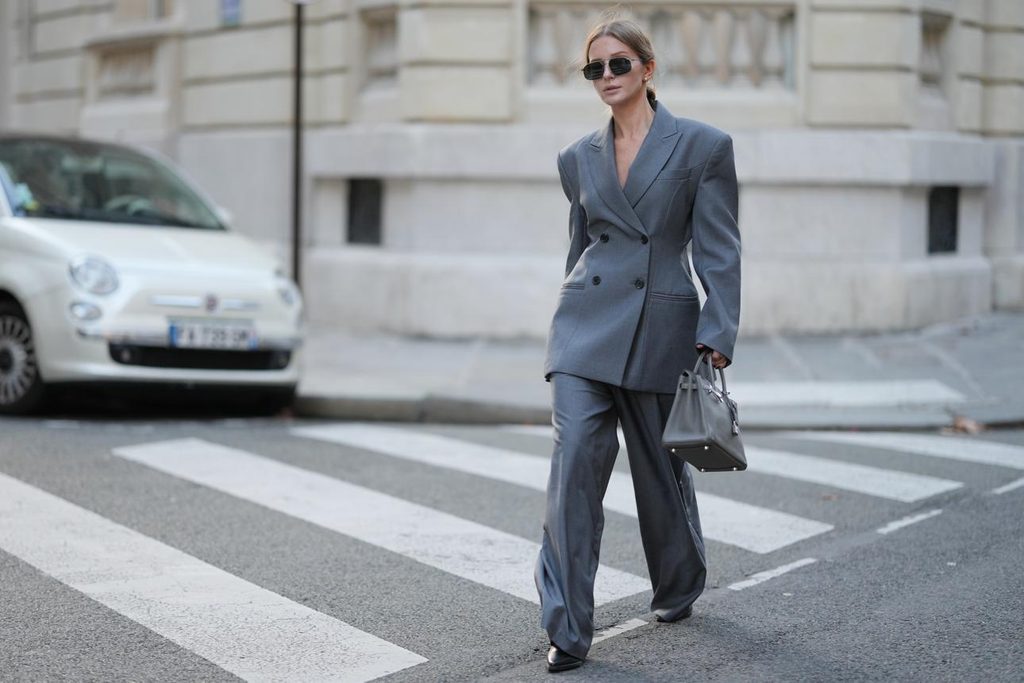
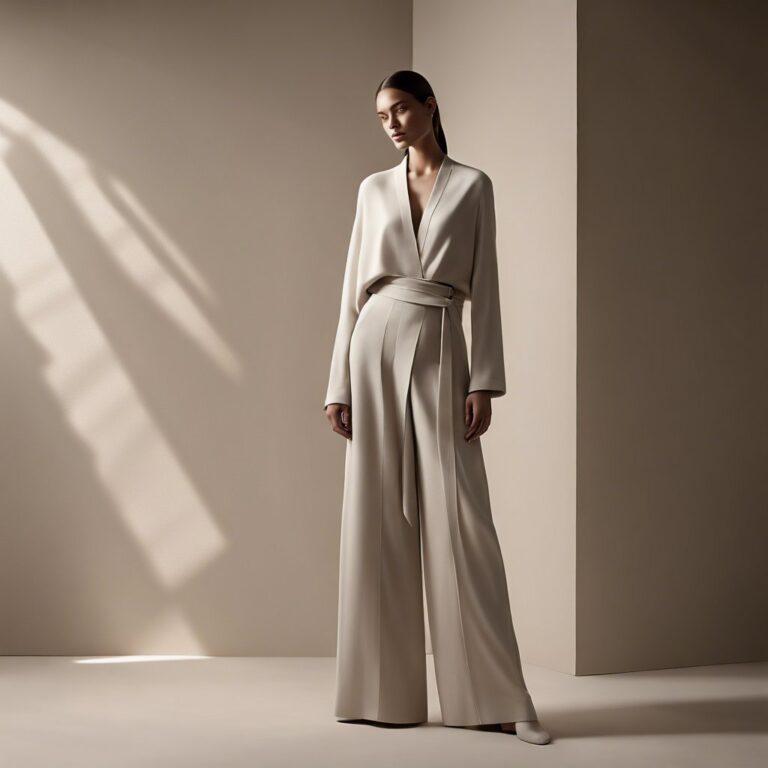
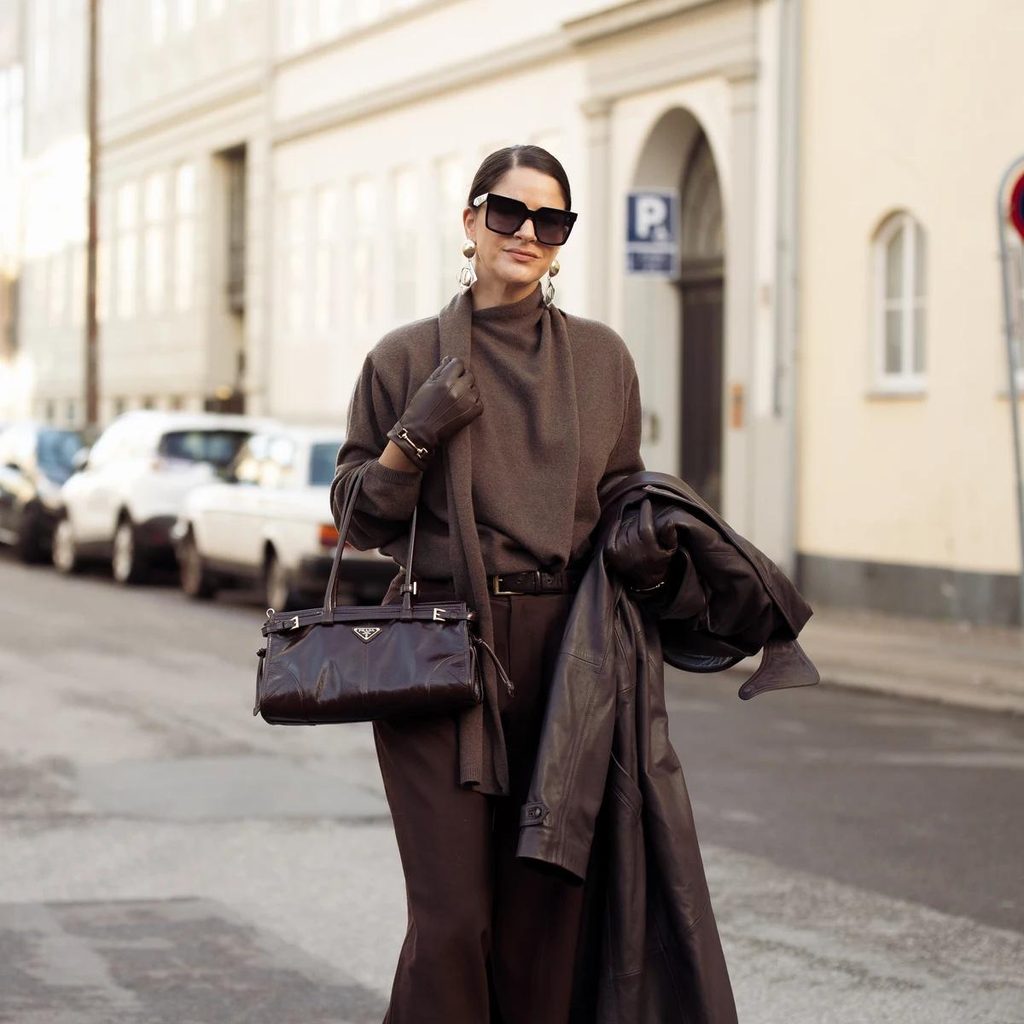
Monochrome does not mean wearing one identical shade from head to toe. It means building an outfit around a single colour family, then introducing variation through tone, texture and shape.
When done well, the result feels deliberate and refined rather than flat. The eye travels smoothly from shoulder to hem, which elongates the silhouette and gives even the simplest pieces a sense of occasion. It is also wonderfully practical, since a tightly edited palette makes getting dressed quick and effortless.
Choosing a Colour Palette
The best monochrome palette is one you genuinely love to wear. Start with a shade that flatters your complexion and suits your lifestyle.
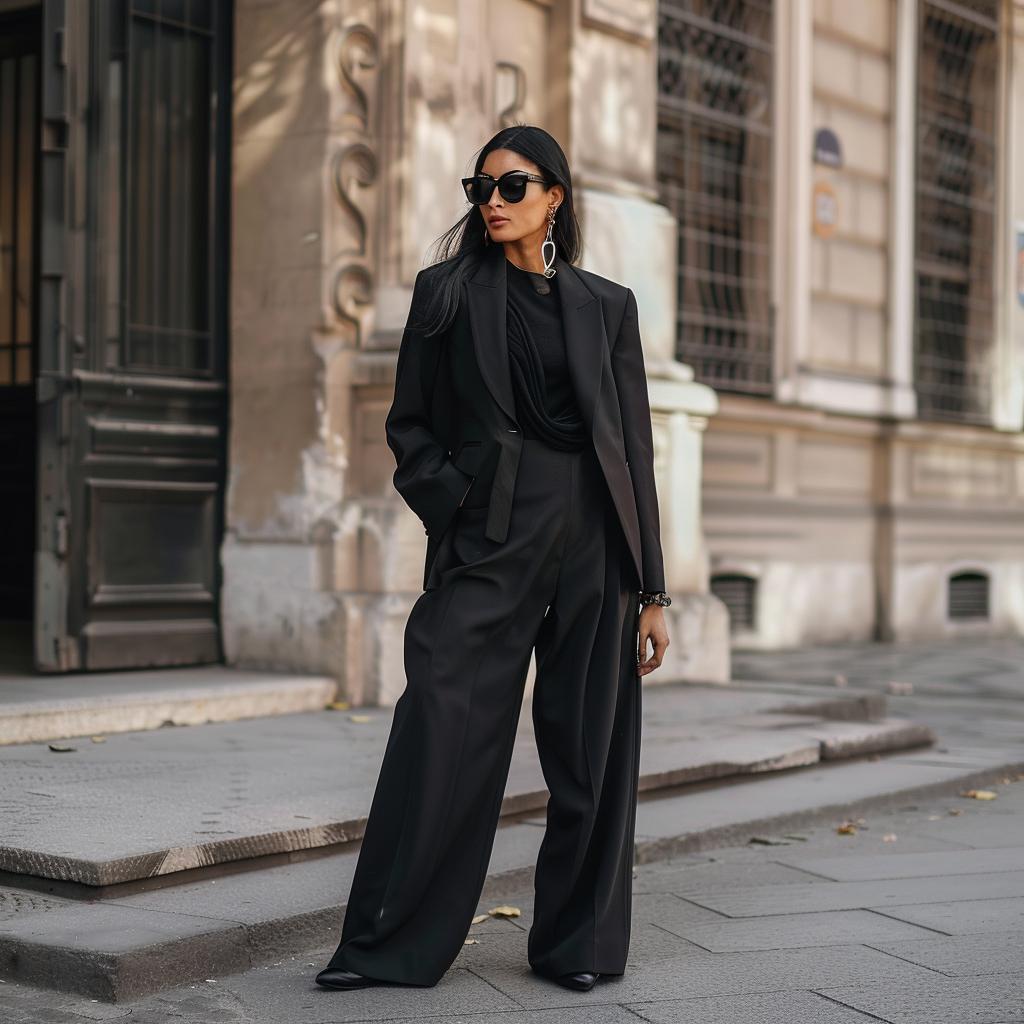
- Black: Sharp, dramatic and endlessly versatile
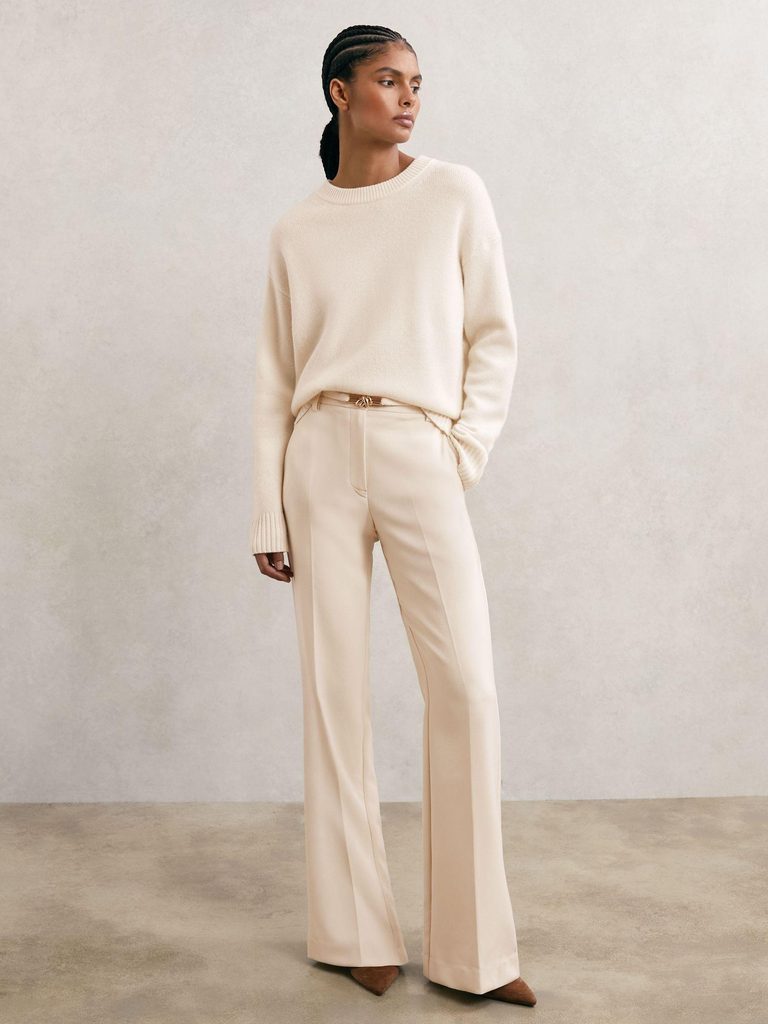
- White and ivory: Fresh and luminous, best in lighter fabrics
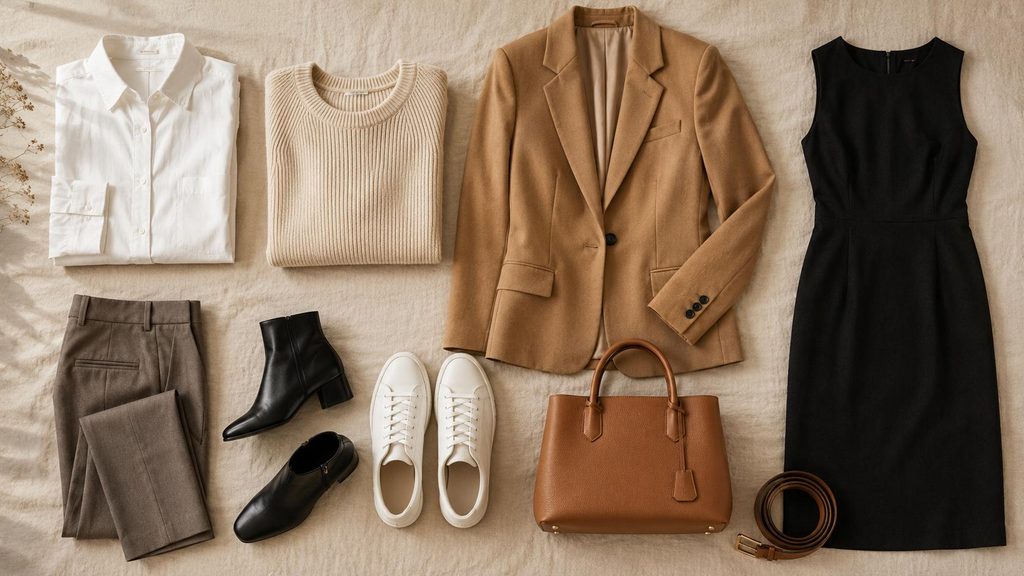
- Camel and sand: Warm, soft and quietly luxurious
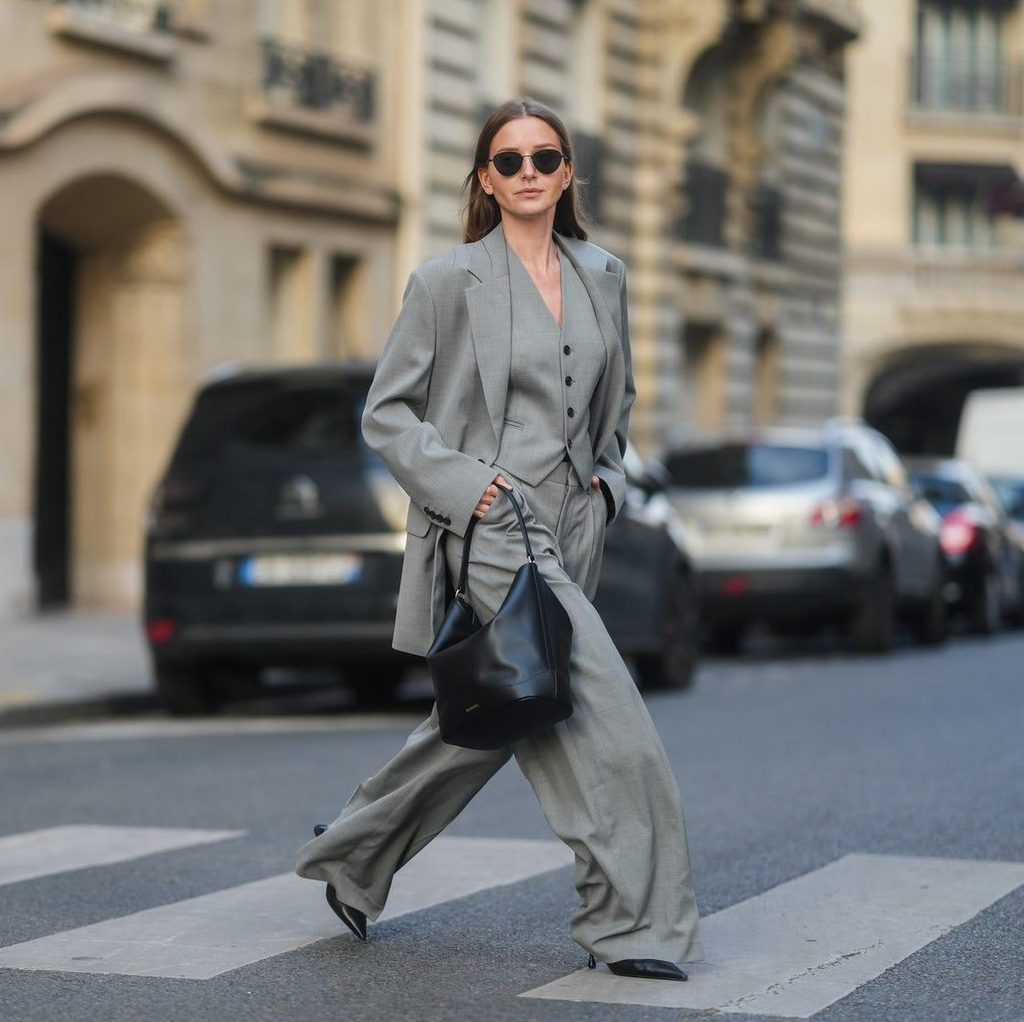
- Grey: Calm and modern, from pale dove to deep charcoal
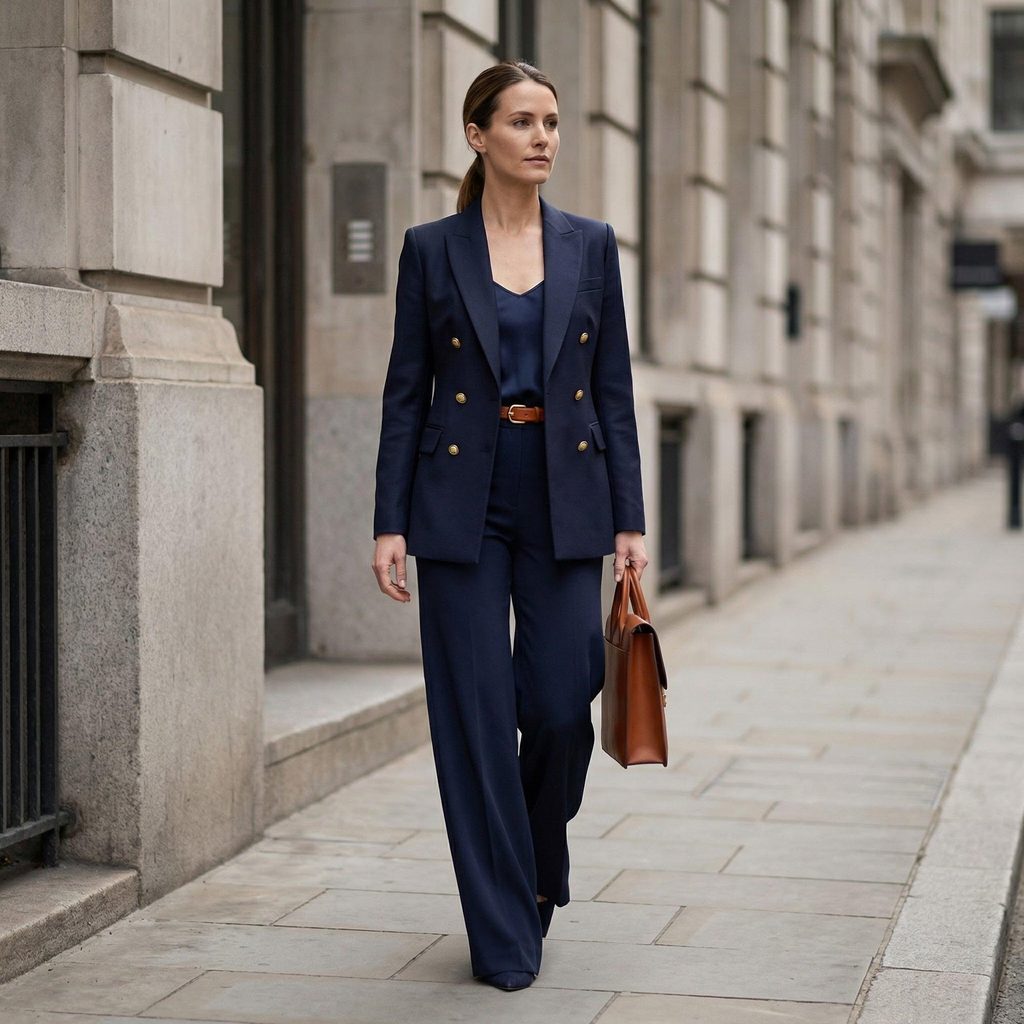
- Navy: A sophisticated alternative to black
- Olive or burgundy: For a more distinctive, expressive take
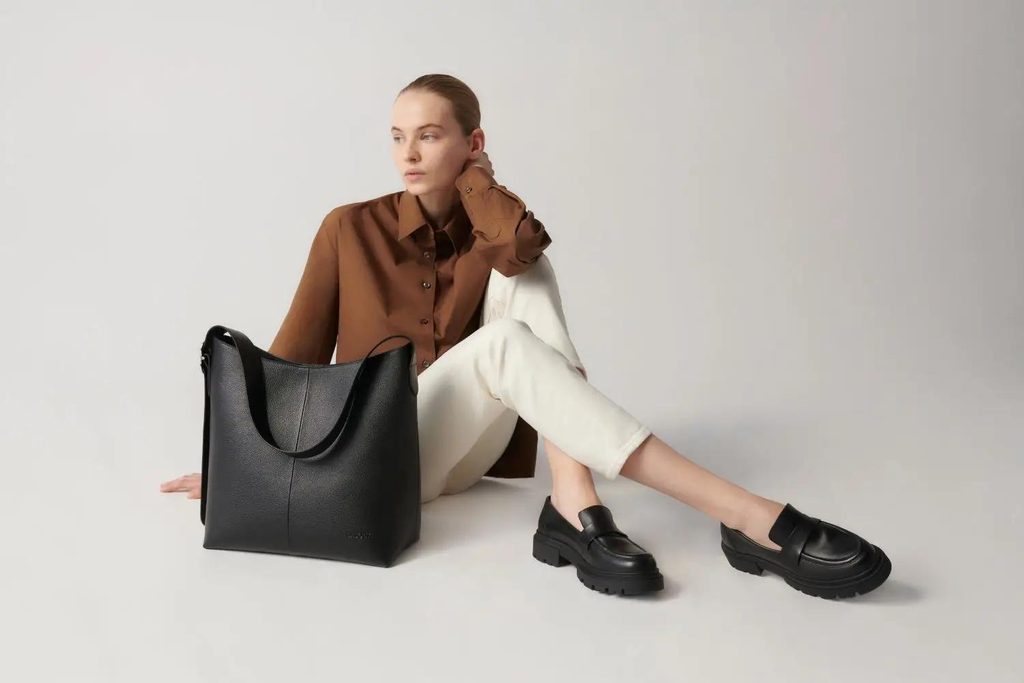
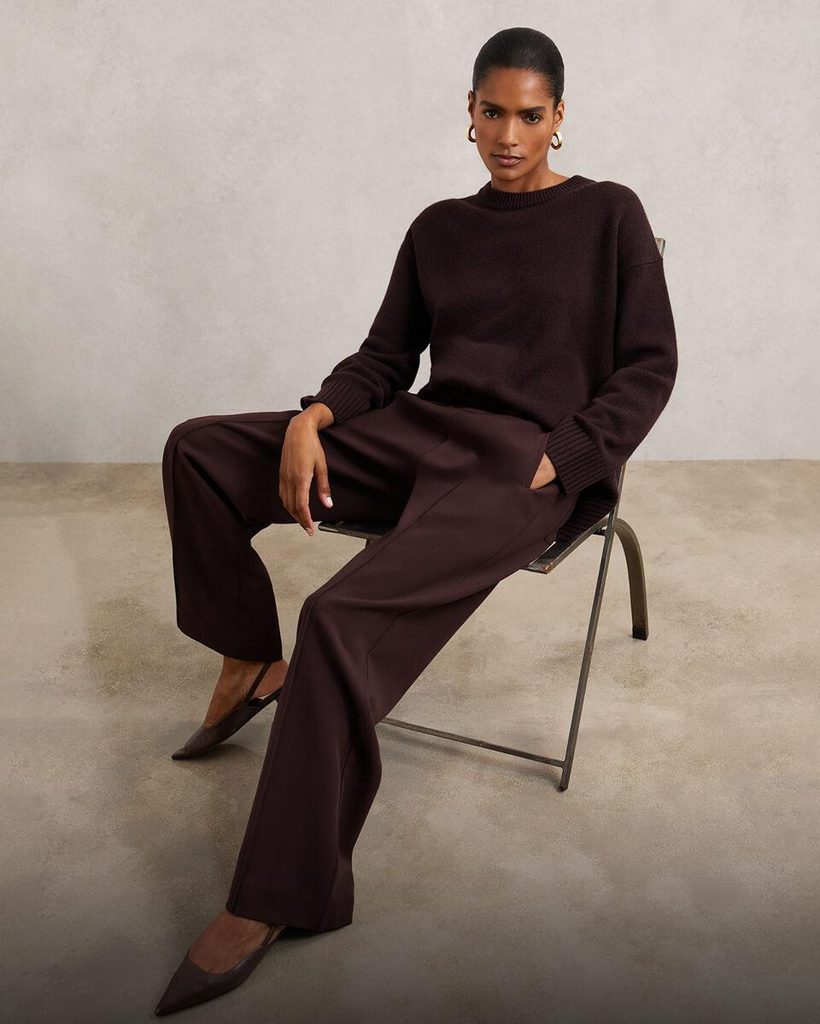
Once you have chosen your colour, vary the depth. Pair a lighter top with slightly darker trousers, or layer a deep coat over a paler knit. These subtle shifts create dimension and keep the outfit from looking one-note.
Textures and Fabrics
In a single-colour outfit, texture does the work that pattern or contrast usually would. It adds richness and keeps the eye engaged.
- Wool and cashmere: Soft, matte and warm, ideal for coats and knitwear
- Silk and satin: Catch the light and bring a refined sheen
- Leather and suede: Introduce structure and depth
- Cotton poplin and linen: Crisp and clean for lighter layers
Aim to combine at least two or three different finishes in one look. A matte knit with a glossy satin skirt, for example, feels far more interesting than the same fabric repeated throughout.
Proportions and Silhouettes
Because colour is constant, shape becomes the main way to create interest. Balance is the guiding principle.
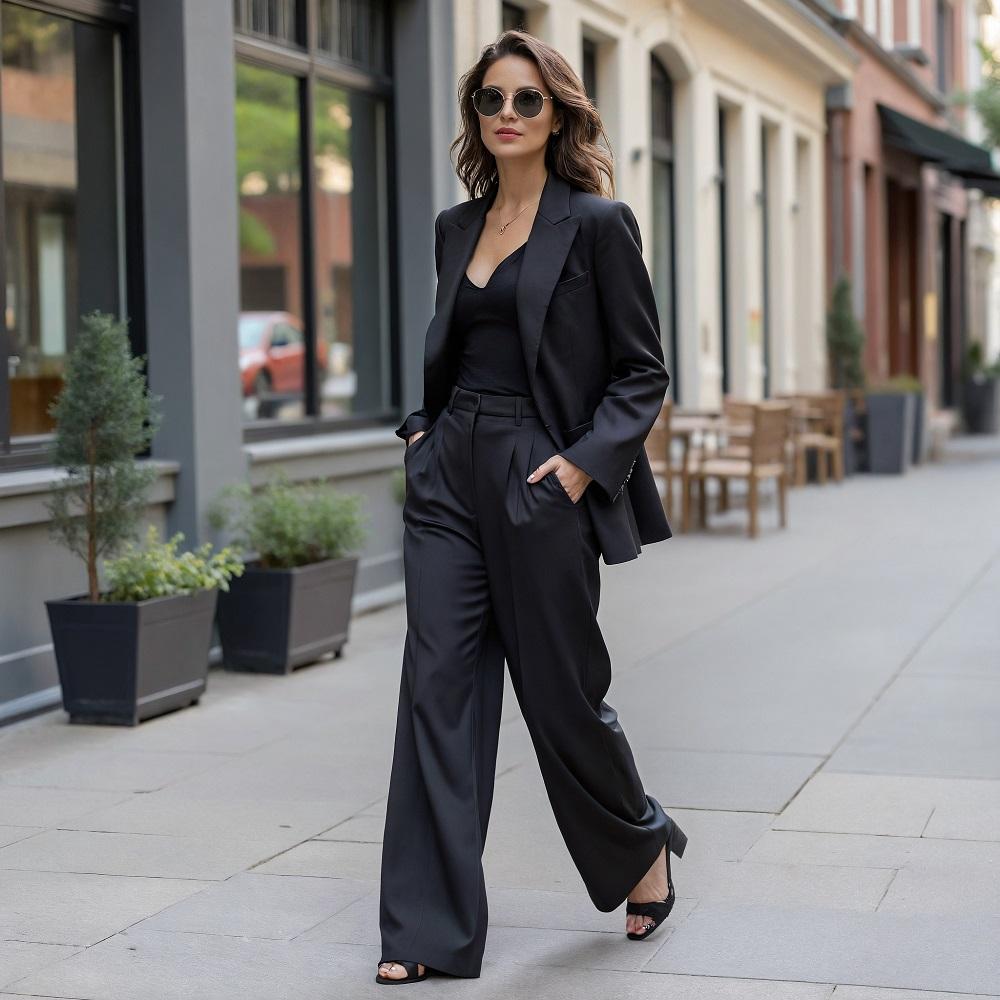
- Fitted with relaxed: Pair a slim knit with wide-leg trousers, or an oversized blazer with a close-fitting base
- Long and lean: Keep the line unbroken with high-waisted bottoms and a tucked-in top
- Define the waist: A belt or a tailored cut prevents looser outfits from looking shapeless
- Mind the hemline: Tailoring that grazes the ankle or sits just below the knee looks sharpest
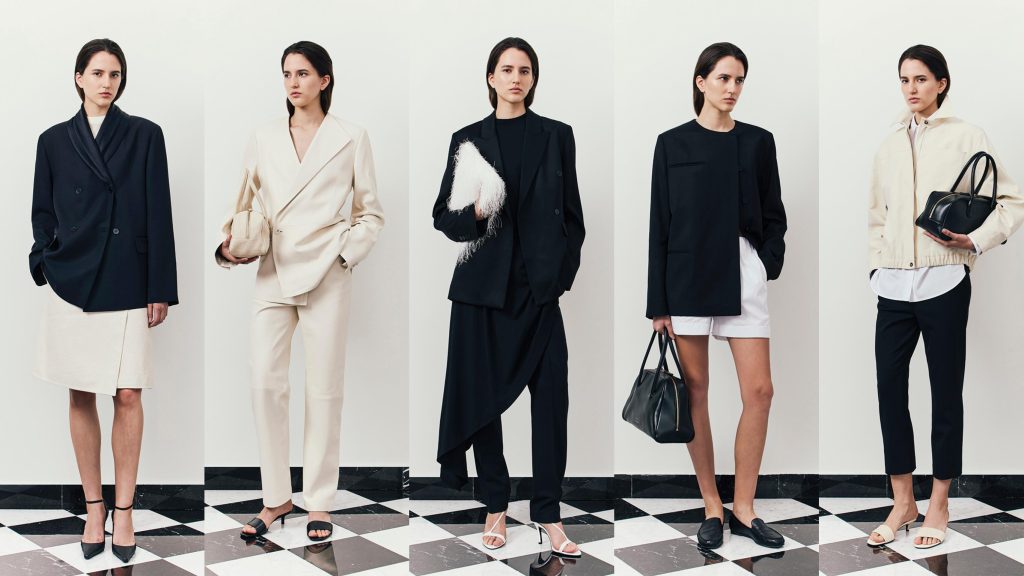
Five Outfit Ideas
1. All-Black Tailoring
A black blazer, silk shell and straight-leg trousers, finished with leather loafers. Sharp enough for the boardroom.
2. Head-to-Toe Ivory
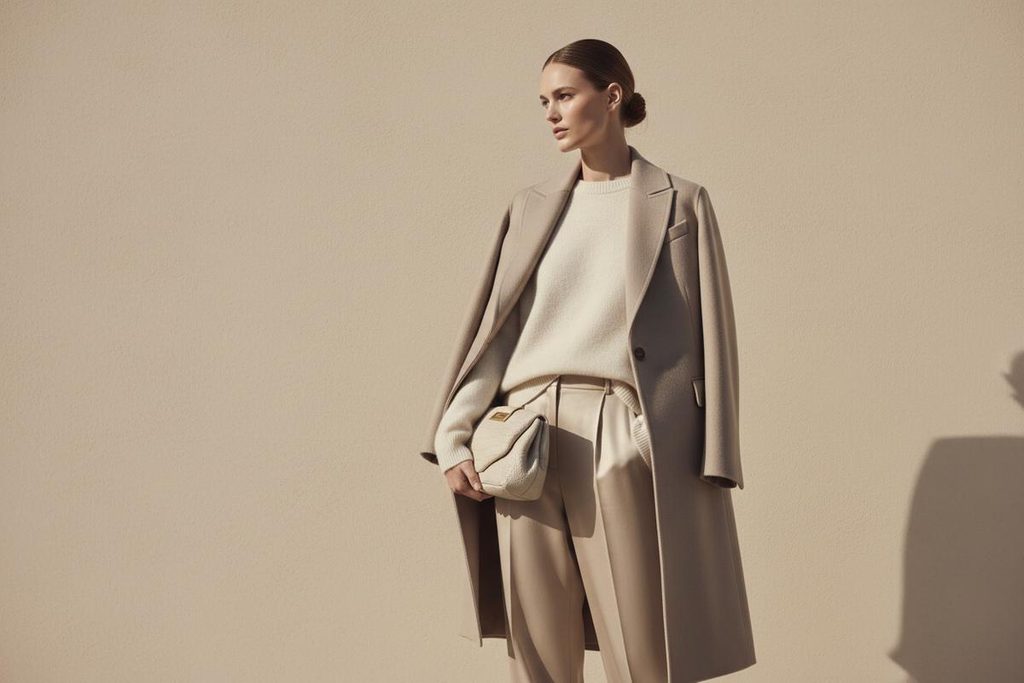
A cream knit, ivory wide-leg trousers and a soft wool coat. Light, luminous and quietly luxurious.
3. Camel Layers
A camel turtleneck, tonal trousers and a longer sand-coloured coat, with suede ankle boots.
4. Grey Relaxed Chic
A charcoal sweater with pale grey tailored trousers and minimalist leather sneakers for a polished weekend look.
5. Navy Evening
A midnight silk blouse with a navy satin midi skirt and a structured clutch. Elegant and understated.
Accessories
Accessories should sharpen a monochrome look, not complicate it.
- One contrasting piece: A tan leather bag or a bold scarf creates a focal point
- Tonal accessories: Matching belt, bag and shoes for a seamless finish
- Subtle jewellery: Fine gold or silver adds a gentle glint without distraction
- Quality materials: Contemporary leather goods and a structured designer handbag elevate the whole outfit
Common Styling Mistakes
- Mismatched undertones: Pairing warm and cool versions of the same colour can look accidental
- Flat textures: Repeating one fabric throughout can feel dull
- Poor fit: Minimalism leaves little room to hide, so tailoring matters
- Overaccessorising: Too many details undermine the clean line
Final Thoughts
Monochrome dressing proves that restraint can be the most powerful style choice. Choose a colour you love, vary the tones and textures, and let thoughtful proportions do the rest. The result is a look that feels sleek, confident and effortlessly your own.