
Leather is one of the oldest and most valued materials in craftsmanship, and for good reason. It is natural, durable and capable of growing more beautiful with age. Yet that beauty depends on suppleness. When leather loses its softness, it begins to look tired: the surface dulls, the drape stiffens and fine lines can turn into cracks. Keeping leather soft is therefore not a cosmetic extra but the foundation of long-term ownership. With a little knowledge and a few good habits, a well-made bag can remain pliable and elegant for many years.
Understanding Leather: Why Does It Become Dry and Stiff?
Leather is made from animal hide, and its fibres are kept flexible by oils and moisture introduced during tanning. Over time, those oils naturally diminish.
Several everyday factors accelerate the process:
- Dry air and heat: Central heating, car interiors and direct sunlight draw moisture from the fibres
- Humidity swings: Repeated cycles of damp and dry conditions can stress the surface
- Friction and handling: Constant rubbing against clothing, hands and surfaces wears down the finish
- Neglect: Dust and dirt can act as mild abrasives, and a bag that is never cared for gradually loses its protective layer
Understanding this explains why conditioning helps. It does not add anything foreign to the leather. It replenishes what time and use have taken away.
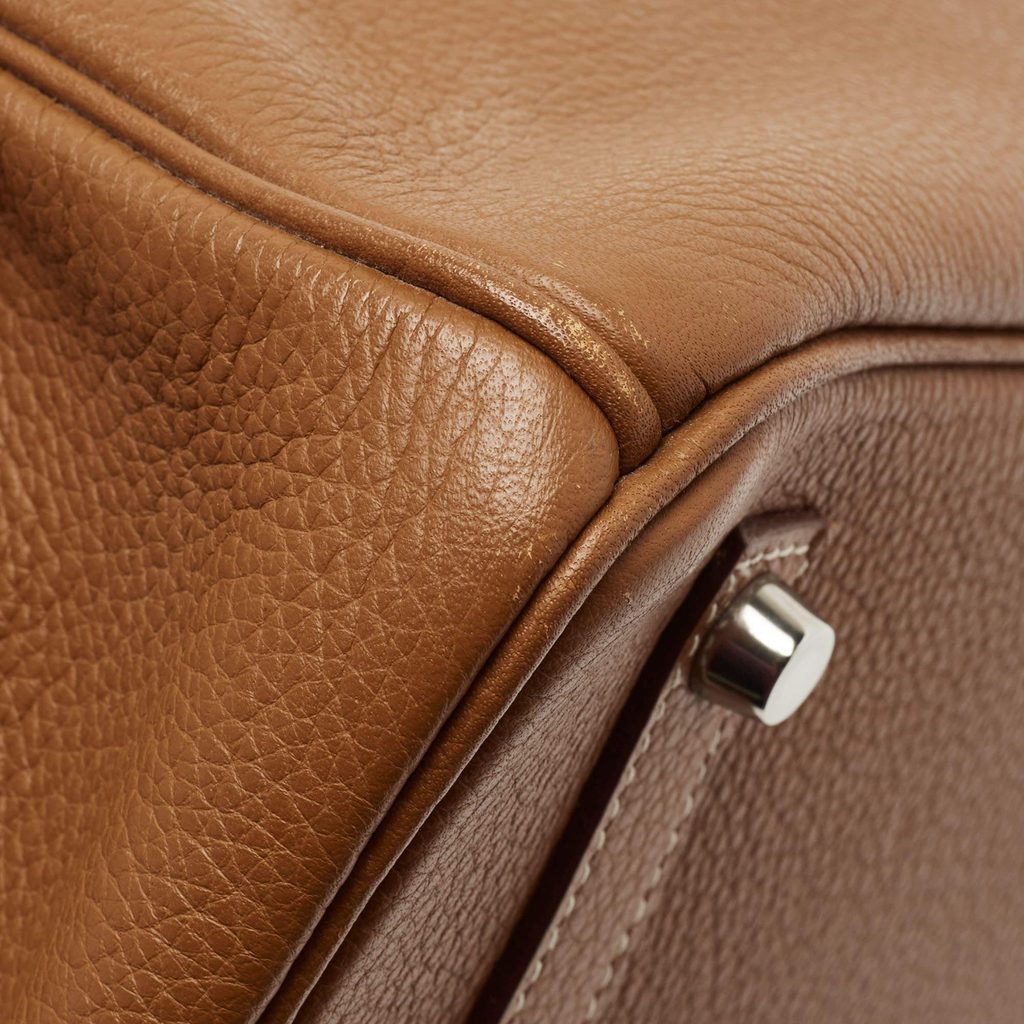
Natural Conditioners: Ingredients That Help Preserve Leather
Conditioners vary widely, so it helps to know what each ingredient does.
- Beeswax: Forms a light protective layer that helps repel moisture and adds a gentle sheen
- Lanolin: A natural wax from sheep’s wool that softens and nourishes, though it can darken some leathers
- Plant-derived ingredients: Carnauba wax, shea butter and similar components add suppleness and are common in gentler formulations
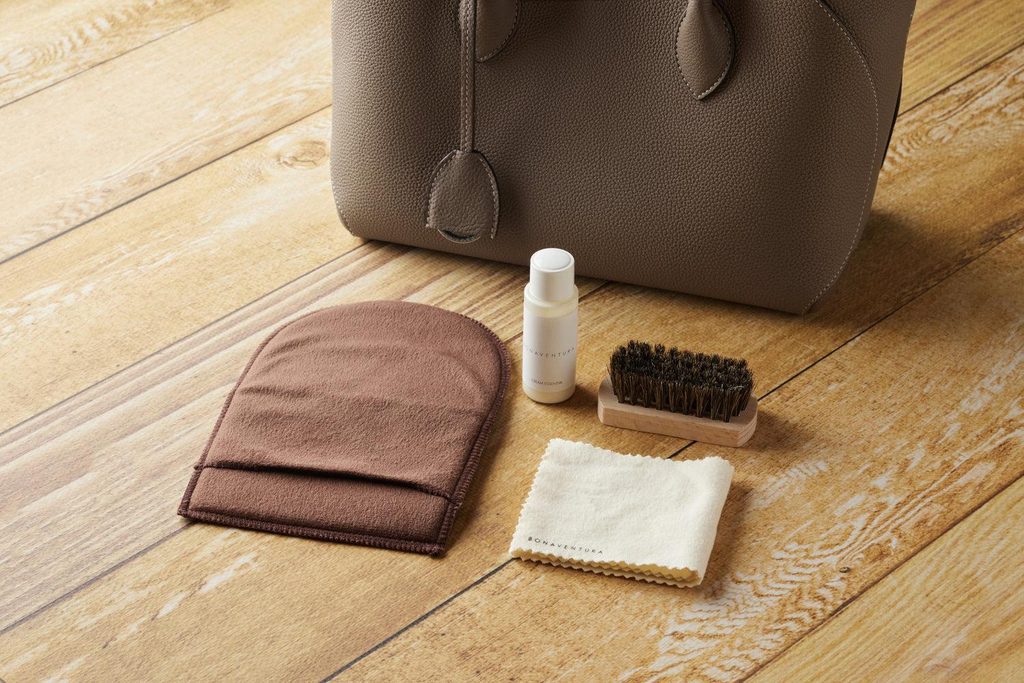
- Professionally formulated conditioners: Balanced blends designed for specific leather types, usually the safest everyday choice for fine handbags
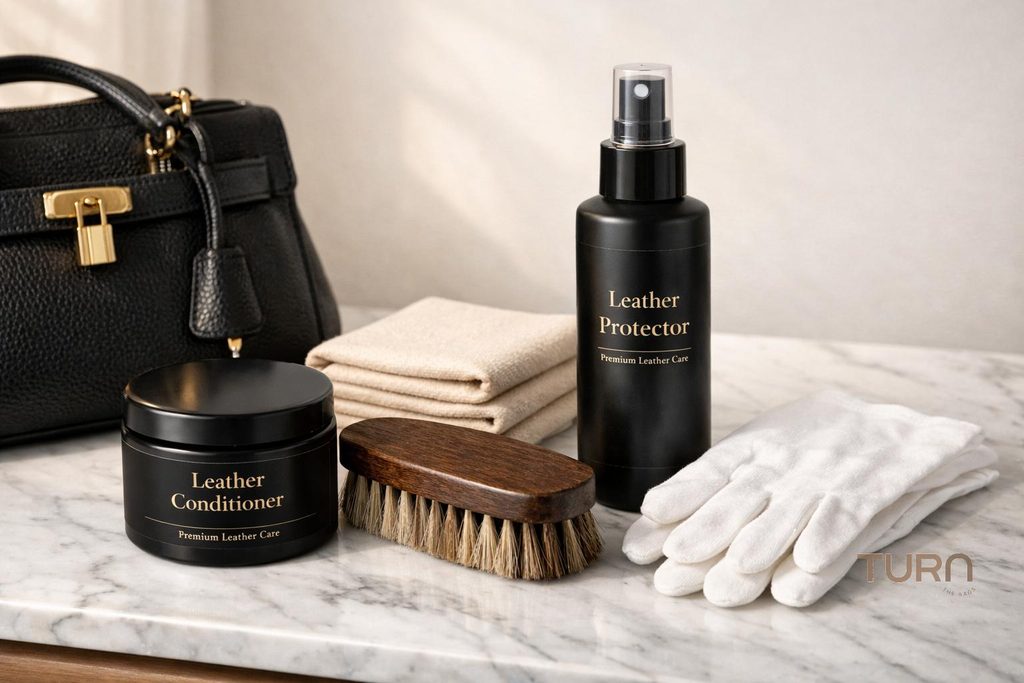
It is worth distinguishing between conditioning and protection. Conditioners nourish the leather, whereas protective products create a barrier against water and stains. Some formulas do both, but they are not interchangeable.
Household remedies deserve caution. Cooking oils, petroleum jelly and similar items are often recommended online, yet they can darken leather, leave sticky residues, turn rancid or clog the surface. For premium bags, a product made for leather is the more reliable choice.
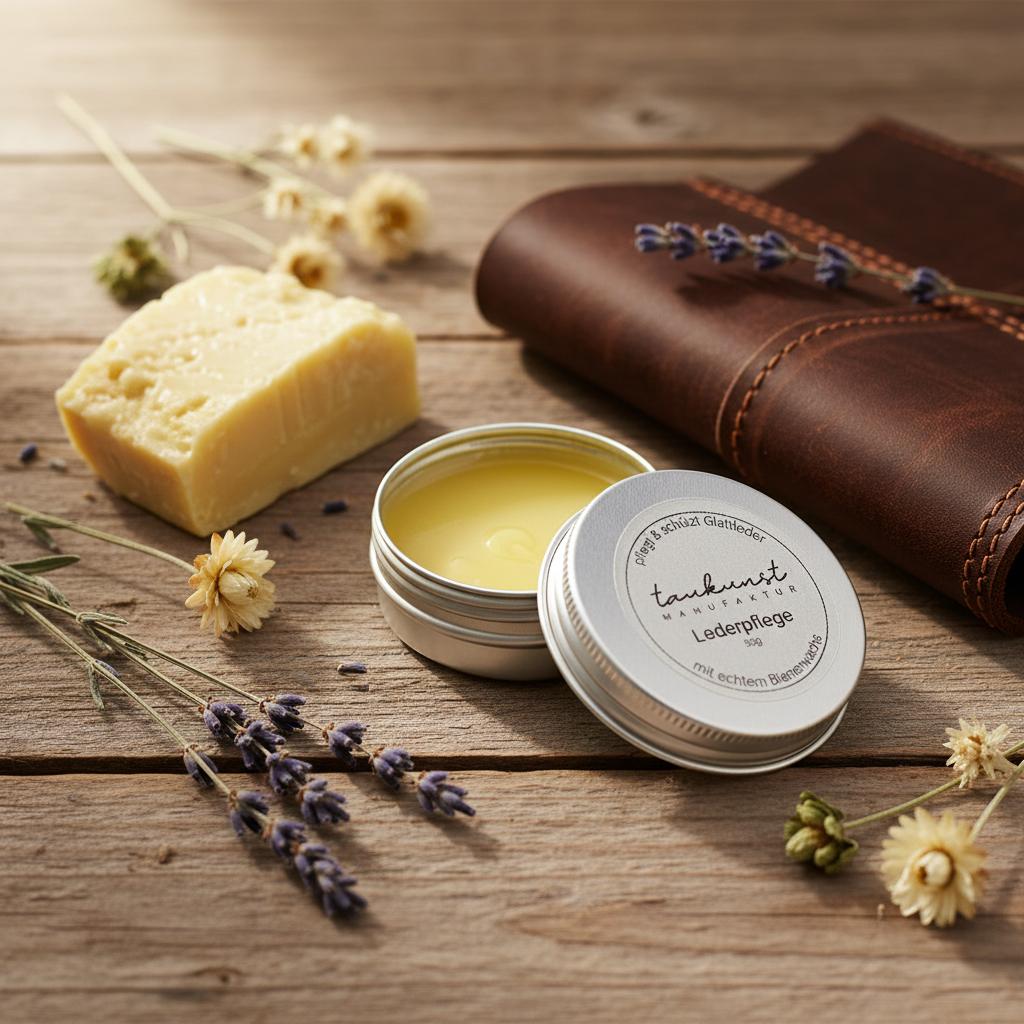
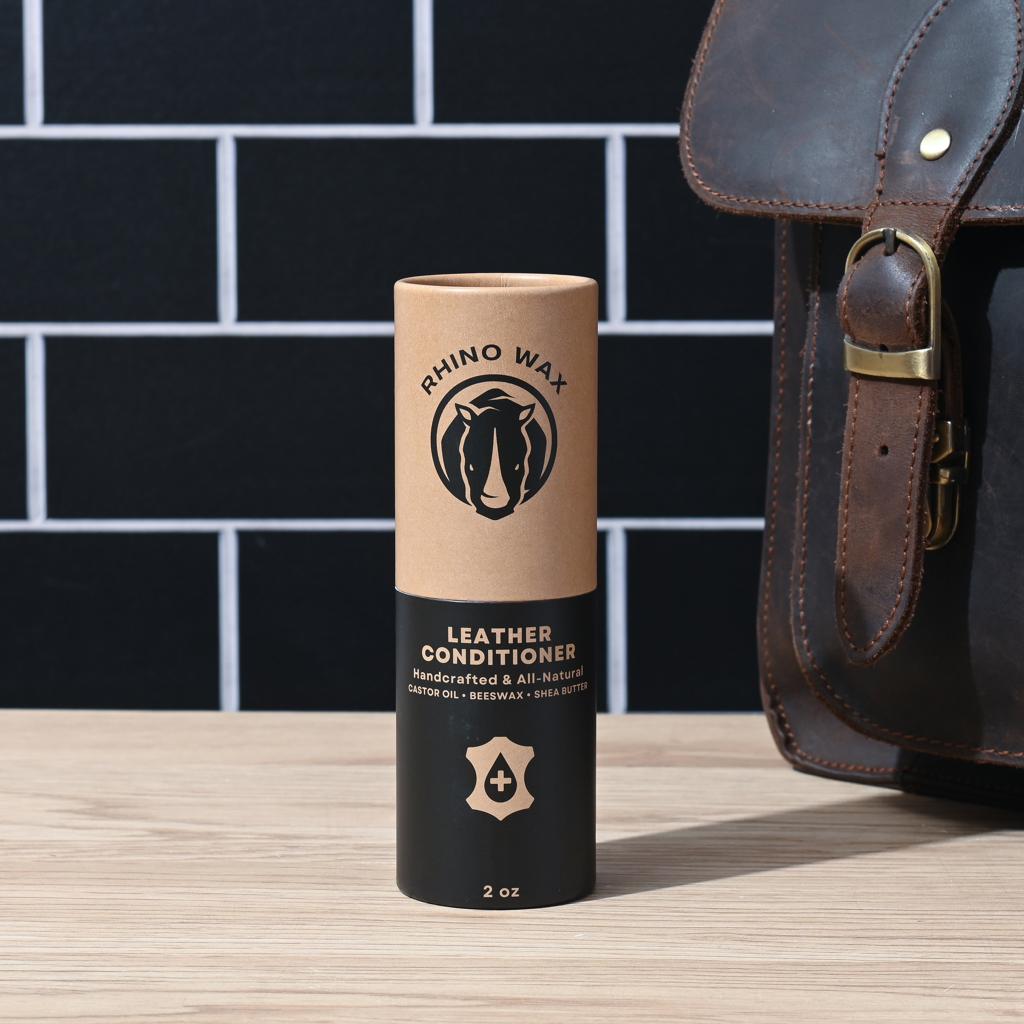
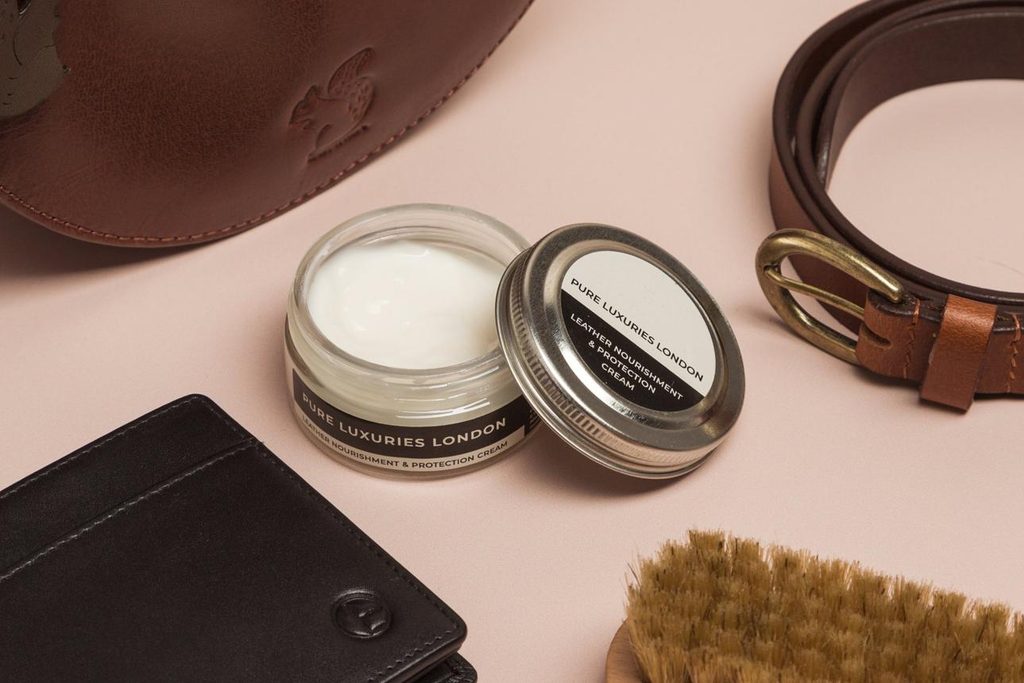
Step-by-Step: How to Condition Your Leather Handbag
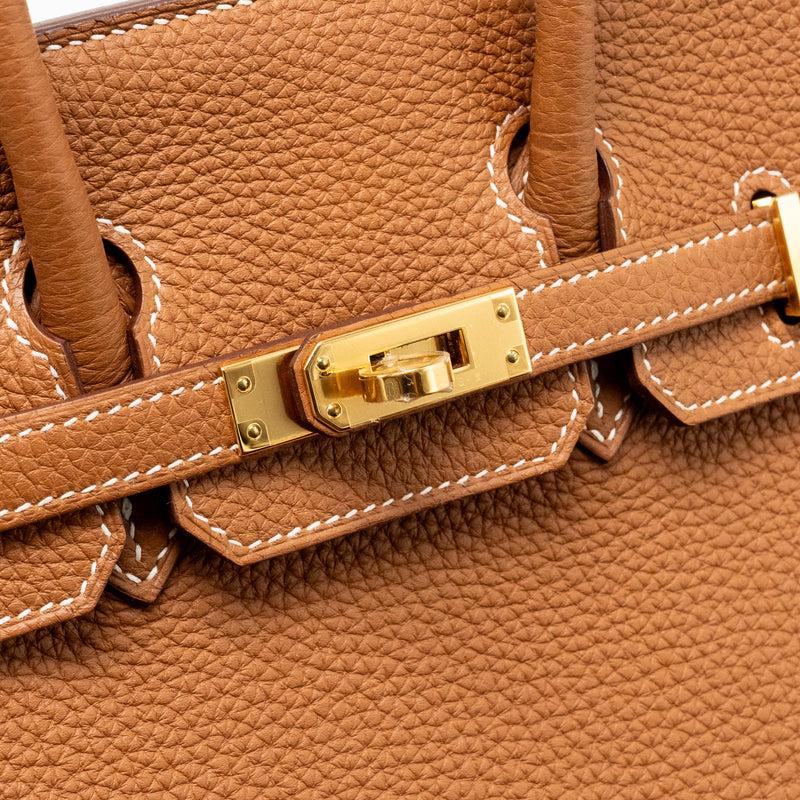
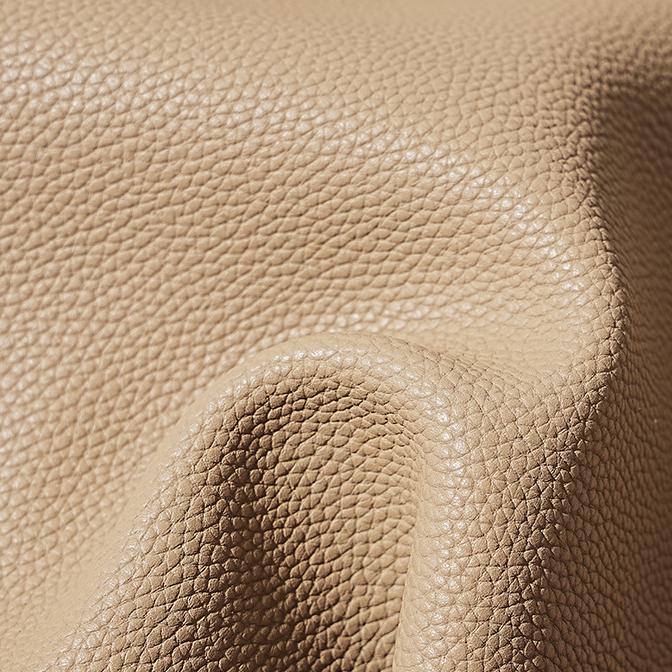
- Identify the leather: Check the care label or manufacturer guidance. Smooth and pebbled leathers can usually be conditioned. Suede, nubuck and patent need specialist products and should not receive standard conditioner.
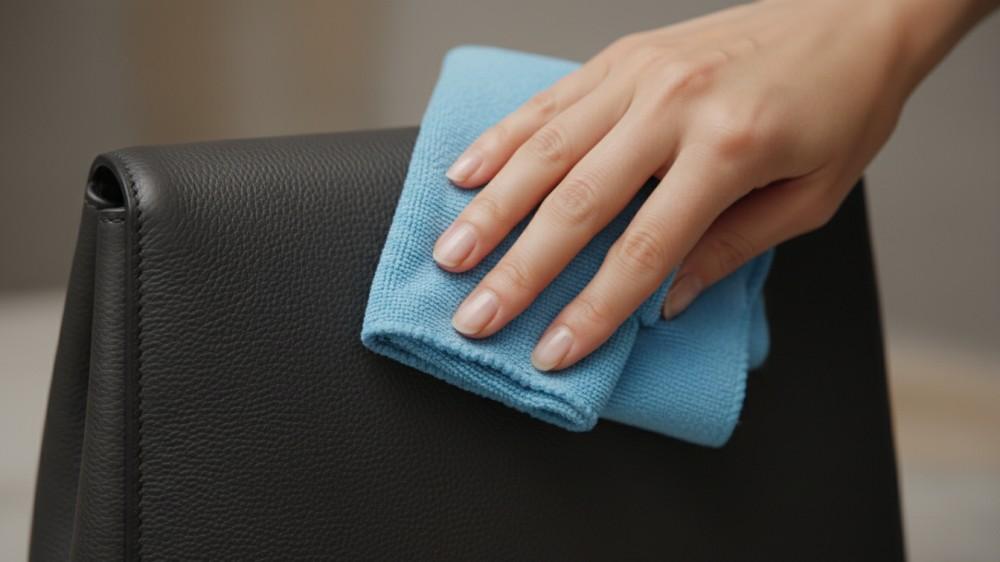
- Clean the surface: Wipe away dust with a soft, dry cloth, then use a lightly damp cloth for any marks. Allow the bag to dry fully.
- Patch test: Apply a small amount of conditioner to a hidden area, such as the underside of a flap, and wait several hours to check for colour change.
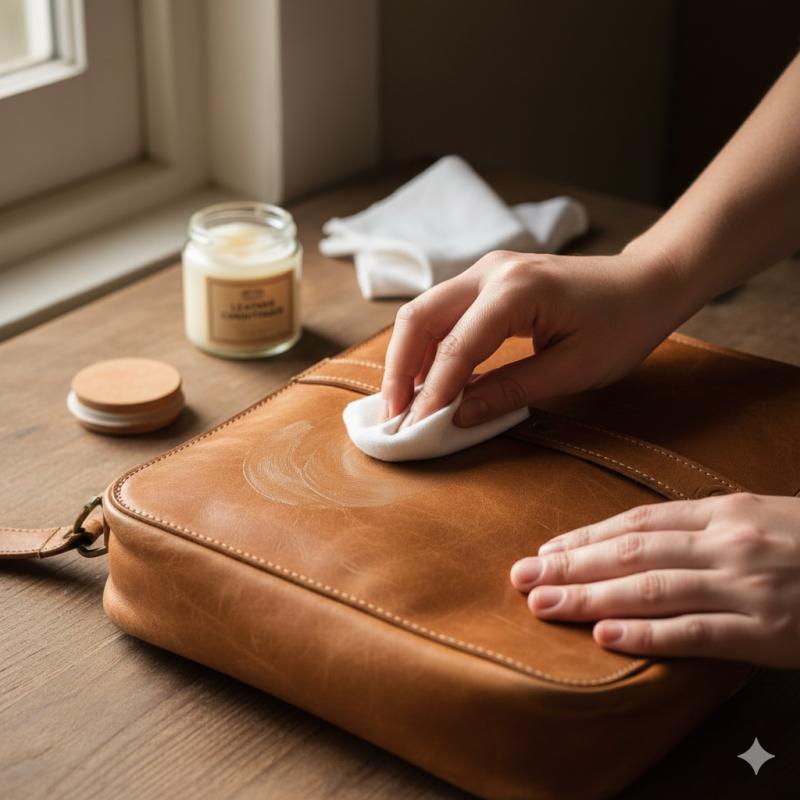
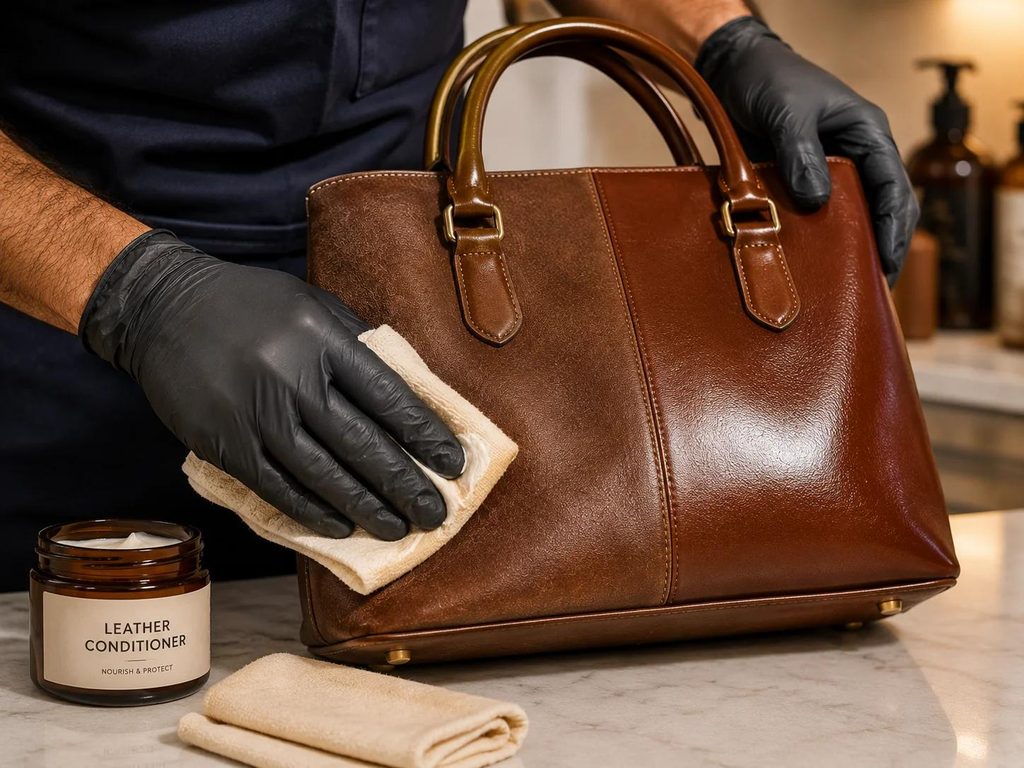
- Apply sparingly: Use a clean, soft cloth and work in small, gentle circles. A thin layer is more effective than a thick one.
- Let it absorb: Leave the bag for several hours or overnight, away from heat and sunlight.
- Finish: Buff lightly with a clean cloth to remove excess product and restore a soft sheen.
Everyday Leather Care: Habits That Make a Difference
Small habits do much of the work between conditioning sessions.
- Handle with clean hands: Oils, lotions and dirt transfer easily to leather
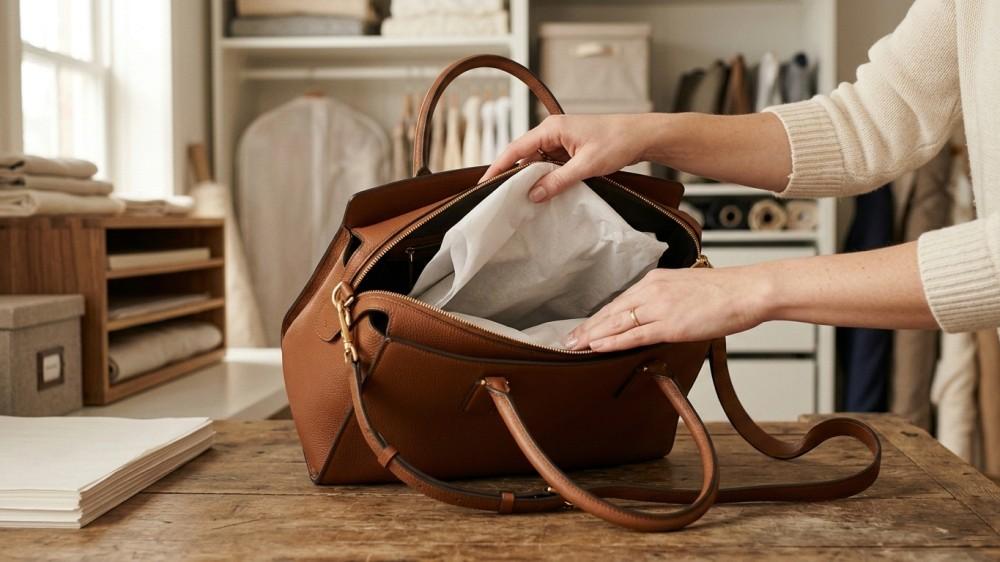
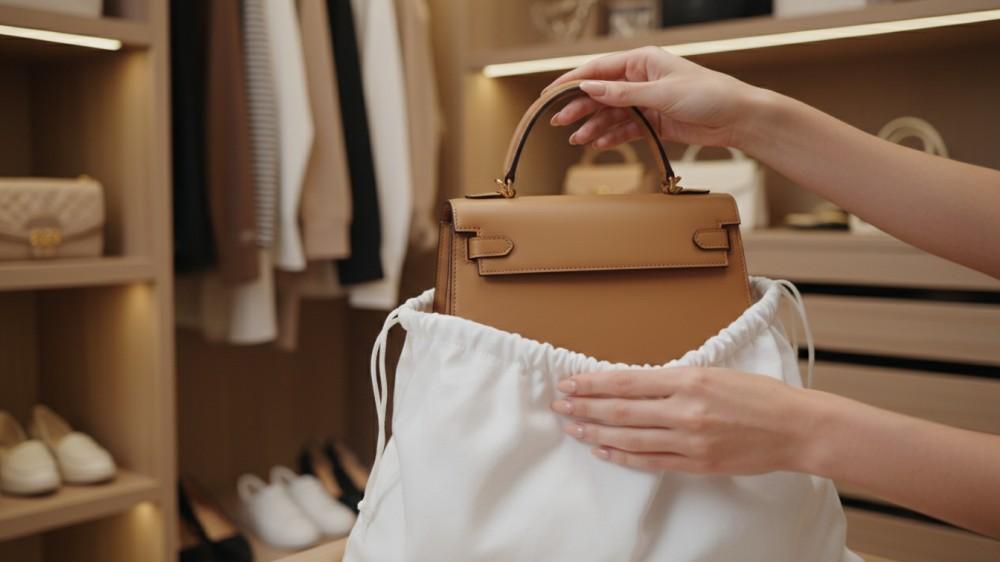
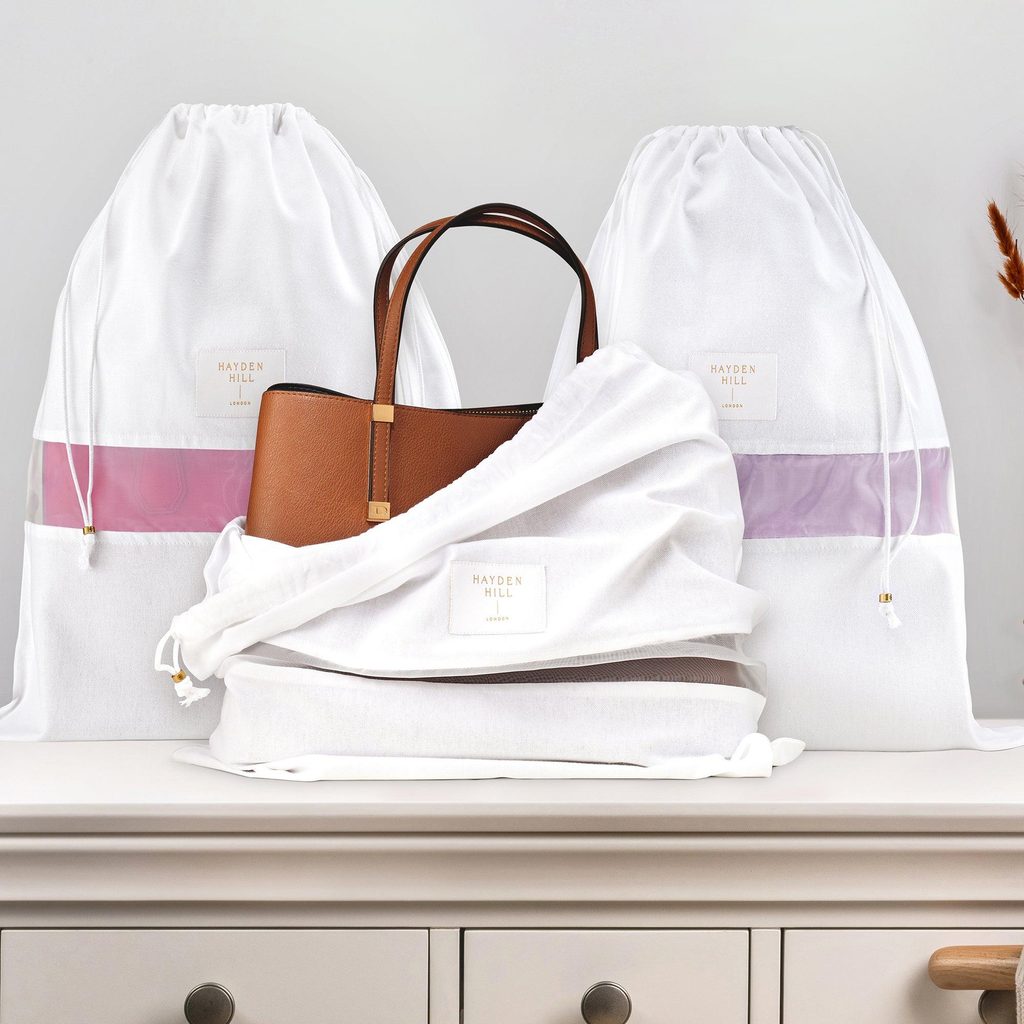
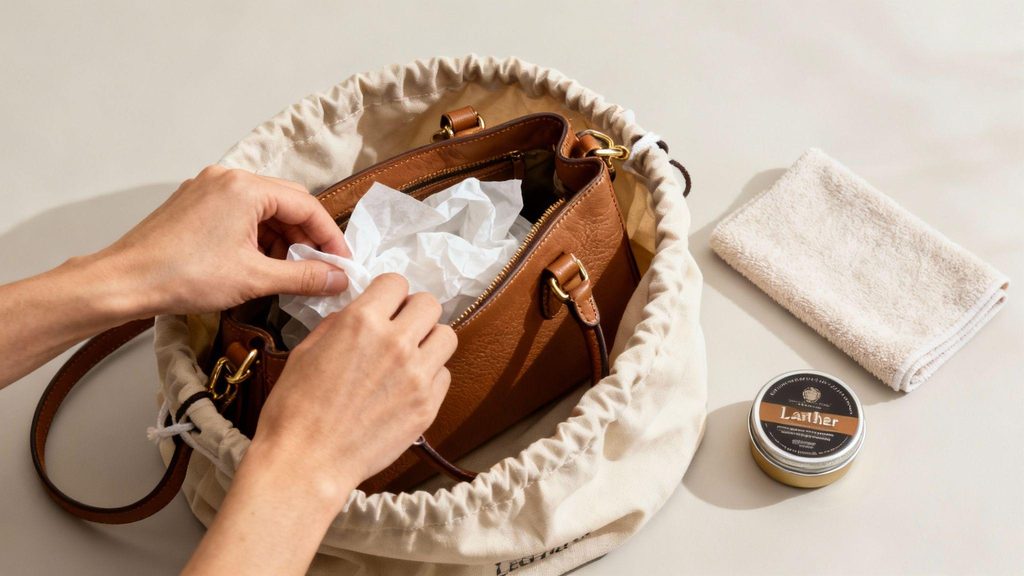
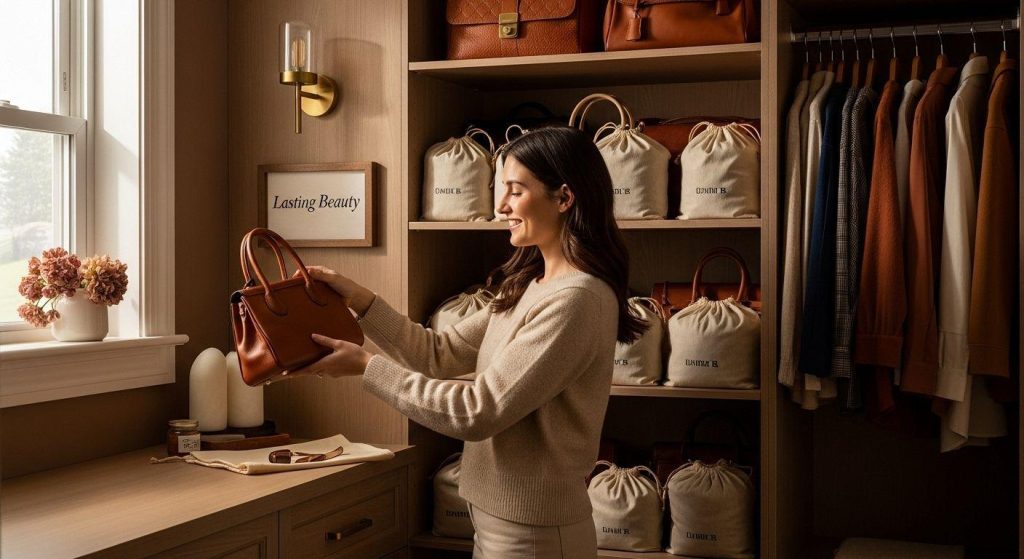
- Store properly: Keep bags upright in breathable dust bags, lightly stuffed to hold their shape
- Avoid extremes: Keep leather away from radiators, direct sun and damp spaces
- Rotate your bags: Giving each bag rest between uses reduces wear
- Wipe regularly: A quick dry wipe removes dust before it settles into the surface
- Avoid overloading: Excess weight strains handles and distorts the structure
Common Leather Care Mistakes to Avoid
Good intentions can still cause damage. Watch for these pitfalls:
- Over-conditioning: Too much product can clog the pores, leave a tacky surface and darken the colour
- Unsuitable oils: Kitchen and cosmetic oils may stain or spoil over time
- Harsh cleaners: Soap, alcohol and household sprays can strip colour and dry the leather
- Direct heat: Hairdryers and radiators can cause cracking and shrinkage
- Incorrect storage: Plastic bags trap moisture, and overstuffed cupboards crush shape
As a general rule, condition only when the leather looks or feels dry, usually two to three times a year for regularly used bags.
The Art of Longevity: Keeping Leather Beautiful for Years
Well-cared-for leather does not simply survive. It matures. Full-grain and top-grain leathers develop a patina, a soft, lustrous depth of colour that reflects the life of the bag and cannot be reported by new surfaces. Embracing this natural change is part of the pleasure of owning fine leather.
Craftsmanship plays its part too. Strong stitching, quality hardware and carefully finished edges allow a bag to age gracefully rather than fall apart. And when deeper issues arise, such as colour loss, deep stains, worn edges or damaged hardware, a professional leather specialist can restore a bag safely. Repairing and caring for a piece, rather than replacing it, is also among the most sustainable choices a shopper can make.
A Little Care Goes a Long Way
Leather rewards attention. A few minutes of gentle conditioning, thoughtful storage and sensible habits protect not only the material itself but also the emotional and financial value of a favourite handbag. Look after it well, and it will remain soft, beautiful and ready to accompany you for years to come.